


Coca leaves, primarily tied to the rich tapestry of South American culture, are often viewed through a lens of controversy. While they serve as the foundational element for cocaine — a substance that has sparked countless headlines — they are also deeply rooted in traditional medicine and customs that date back millennia. To fully understand the secrets behind cocaine leaves, we delve into seven surprising benefits that might just elevate these green leaves beyond their notorious reputation.
7 Surprising Benefits of Coca Leaves
Indigenous populations have long chewed coca leaves for a burst of energy; this custom flourishes particularly among the Aymara and Quechua people. Living at high altitudes, they rely on coca leaves to fend off fatigue and bolster endurance. Scientific studies validate these benefits, revealing that coca alkaloids stimulate the central nervous system, leading to heightened physical performance. Who knew a simple leaf could pack such a punch?
Packed with a variety of vitamins and minerals, coca leaves are a perfect alternative to high-sugar energy drinks. They boast a rich supply of vitamin C, calcium, and various B-vitamins, making them a wholesome option for those seeking nourishment. Enter brands like Koka Tea, which have embraced this natural energy source and created teas that not only refresh but also nourish — without the dreaded caffeine crash.
Traditional medicine communities have utilized coca leaves effectively to combat digestive issues. They stimulate appetite and can alleviate gastritis and indigestion symptoms. Surprisingly, modern herbalists are slowly incorporating coca leaves into their gastrointestinal health solutions, with products like capsules or supplements gaining traction in health circles. It’s fascinating how traditions can echo through time and find modern relevance.
There’s a fascinating undercurrent of research that highlights the analgesic properties of coca leaves. Studies suggest that certain alkaloids found in coca can provide pain relief that rivals over-the-counter medications. Experts like Dr. Andrew Weil have begun exploring the historical context of coca leaves for pain management, integrating this ancient remedy into contemporary health approaches. It changes the narrative entirely when a leaf reveals such potent vigor!
Many users report that small quantities of coca leaves can create a sense of mental stimulation and an uplifted mood. This natural form of encouragement can relieve fatigue and stress, sparking conversations around coca leaves as potential natural antidepressants. With enhanced focus and mental clarity, could we witness a budding alternative to conventional stimulant medications? It’s definitely worth considering.
Beyond their tangible benefits, coca leaves hold significant cultural and spiritual roles among Andean communities. They are integral to rituals and offerings, often seen as a sign of respect. During ceremonies honoring Pachamama (Mother Earth), coca leaves serve to symbolize gratitude, fostering a deep connection to the earth. It’s a bond that transcends mere usage; it resonates with identity and community spirit.
With the rising global interest in natural supplements, coca leaves stand at a crossroads with significant economic potential. By shifting perceptions from illicit drug use to legitimate agricultural practice, coca-producing regions can experience a fresh wave of economic opportunities. Companies like Andean Dream are leading this charge, focusing on ethical sourcing and production of coca-derived products. Such initiatives not only create jobs but also promote environmental sustainability.
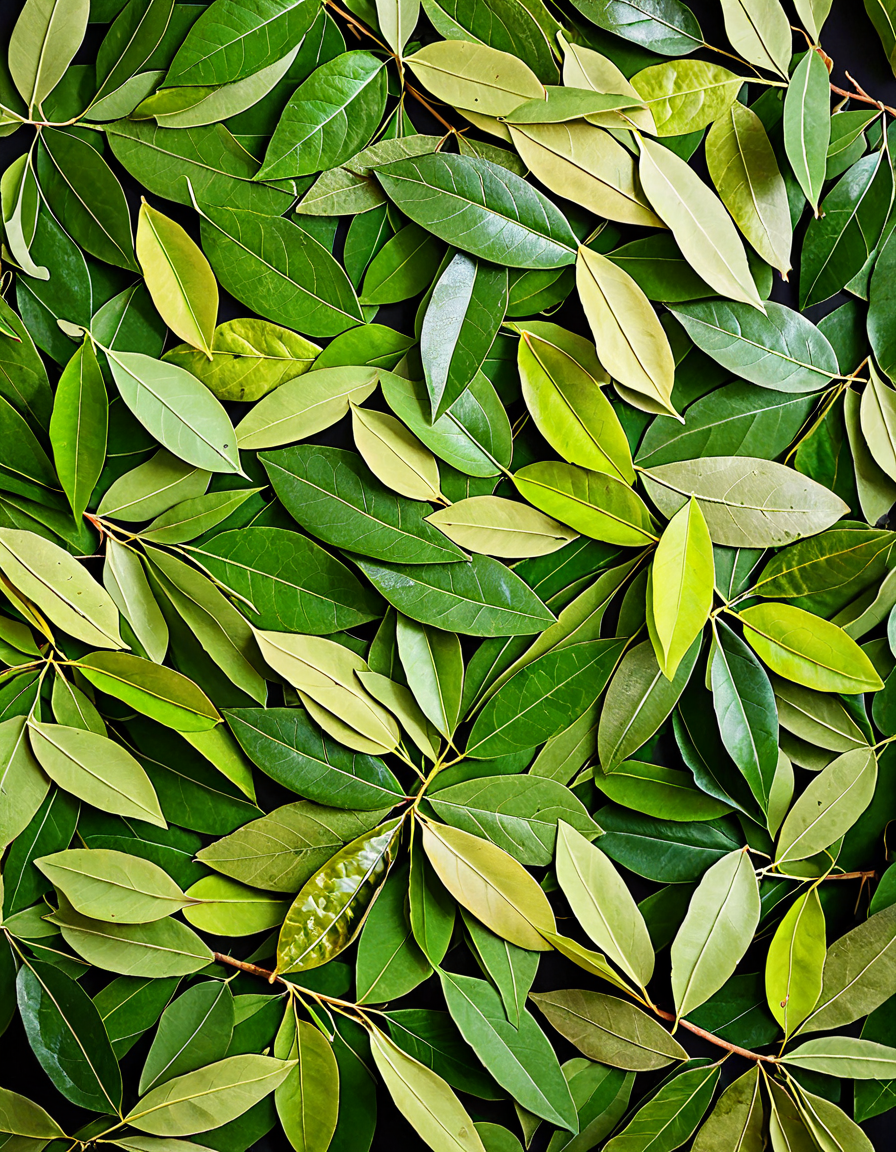
The Future of Coca Leaves: A Path Forward
The narrative surrounding coca leaves is complex but brimming with untapped potential. As researchers, health advocates, and communities increasingly recognize their benefits, coca leaves could redefine their role within herbal medicine. With an intricate blend of nutritional value, energy-boosting properties, and rich cultural significance, these leaves have the power to foster a shift in perception — moving from a stigma-laden past to a vibrant future.
The possibilities are vast as we embrace the secrets of coca leaves. They might just be nature’s miracle, offering solutions that marry traditional wisdom with contemporary health needs and economic avenues. While navigating this ever-changing landscape, it’s crucial to strike a balance that honors both history and the future, paving the way for more informed conversations around this remarkable leaf.
In conclusion, coca leaves are not just remnants of controversy; they are a rich part of history and modern health narratives, showing how the intersection of culture and utility can yield advantages that benefit both people and the planet alike. As we journey forward, may we cherish and explore all that coca leaves have to offer, tapping into a reservoir of wisdom that stretches back generations.
Coca Leaves: Nature’s Secrets Unveiled

Unraveling the Mystique of Coca Leaves
Did you know that coca leaves have been used for thousands of years by indigenous cultures in South America? These leaves, which come from the Erythroxylum coca plant, possess remarkable properties. They’ve traditionally been chewed or brewed into tea for their stimulant effects, helping people stay alert at high altitudes. This practice has even led to an infusion of coca extracts into various products, much like how bachelor Buttons have inspired artistic motifs.
Moreover, coca leaves are packed with nutrients including vitamins A, B, C, and E. They contain minerals like calcium, phosphorus, and iron, which play a vital role in maintaining overall health. Imagine getting a boost of energy that’s natural and beneficial! Just as some folks wonder How much Does Jelly Roll weigh, others are curious about how coca leaves compare to modern energy boosters.
Cultural Significance and Modern Applications
In addition to their energizing effects, coca leaves have carved out a significant cultural role in rituals and community bonding. In Bolivia, for example, coca leaves are central to traditional ceremonies, symbolizing connection and respect. Similarly, the way Microsoft Headquarters showcases innovation, coca leaves have emerged in recent research focusing on their potential in health and nutrition. Some studies aim to explore whether certain compounds from coca may help in managing ailments.
Interestingly, the global perception of coca has fluctuated over the years. While once seen as a sacred plant, its association with cocaine has cast a long shadow over its uses. However, as conversations around mortgage rates falling reflect a shifting landscape, there’s a renewed interest in the benefits of coca leaves. Could it be that we’re on the brink of rediscovering a treasure trove of health benefits hidden away?
A Journey Through Time with Coca Leaves
If there’s one thing that stands out about coca leaves, it’s their long-standing history. Once used by the Incas, they have survived the test of time. It’s fascinating to think that while The Morning Show engages us with drama and intrigue, the humble coca leaf has quietly served generations, providing wisdom and sustenance.
So next time you ponder on the environmental benefits of plants, remember coca leaves. They exemplify nature’s ability to evolve and provide. Just as a well-crafted salmon marinade can elevate a meal, coca leaves possess a wealth of potential waiting to be rediscovered. As we delve deeper into their secrets, one has to wonder: are coca leaves nature’s true miracle?
