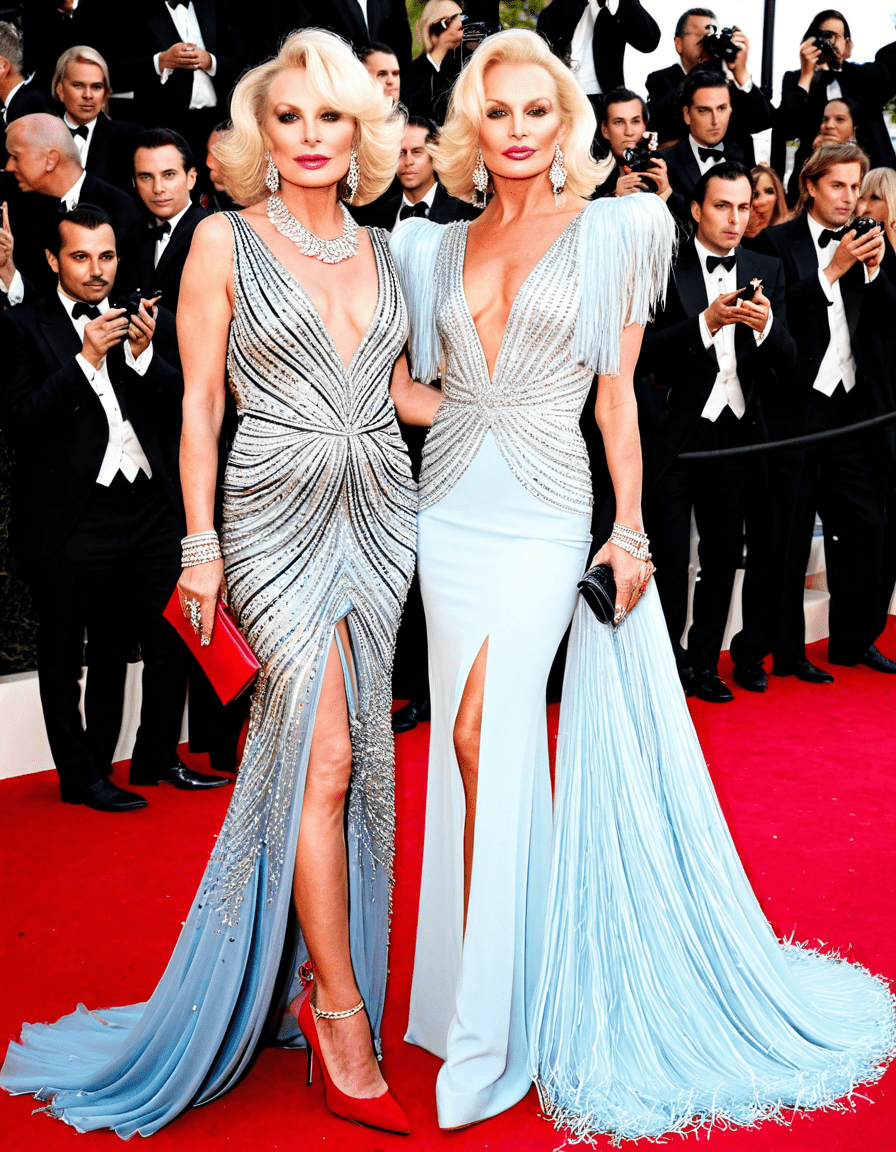


Fashion is an absolutely fabulous tapestry, intricately woven from the threads of culture, history, and personal expression. Over decades, influential figures have emerged, leaving a mark that resonates beyond mere trends. These fashion icons epitomize unique visions and artistry that not only define their eras but also inspire countless others.
The Top 7 Absolutely Fabulous Fashion Icons Who Hacked the Style Howitzer
Coco Chanel wasn’t just a designer; she was a revolutionary. By introducing the little black dress and liberating women from corseted silhouettes, she changed the game in the early 20th century. Her use of jersey fabric changed everyday wear, making style comfortable yet chic. The iconic Chanel No.5 perfume is an extension of her brand; both whisper elegance and modernism, inspiring current designers who strive for that timeless flair.
With her vibrant colors and rich traditional clothing, Frida Kahlo used fashion to express her identity and Mexican heritage. Her signature look—long skirts, bright flowers in her hair, and bold jewelry—defied conventional standards of beauty. Rather than merely following fashion trends, Kahlo turned her style into a strong statement about self-identity and individuality, making her a symbol of strength and resilience.
Diana was not just a royal; she was the ‘People’s Princess’ and a true fashion icon. Her wardrobe evolved dramatically, reflecting her life’s ups and downs. The stunning wedding gown by David Emmanuel and her striking “revenge dress” are memorable moments that showed her ability to blend royal sophistication with relatable charm. Diana’s fashion choices embodied a unique blend of elegance, relatable style, and a connection to the public that few have matched.
Madonna, famously known as the Queen of Pop, has had an evolving style that is almost as famous as her music. From her lace gloves and fingerless mitts of the 1980s to her daring punk-inspired pieces, she continually pushes societal boundaries. Her ability to seamlessly mix high fashion with street style keeps her fans enthralled, and her bold choices create ripples that influence generations of listeners and fashion followers alike.
In the realm of modern fashion, Rihanna has emerged as a trailblazer, transforming not just music but the fashion landscape through her brand, Fenty. Famed for her inclusive approach and bold designs, Rihanna’s Fenty Beauty revolutionized the cosmetics industry by catering to all skin tones. Her ever-evolving personal style—a mix of daring and playful—has solidified her status as a cultural icon, making fashion fun and accessible for everyone.
The late Karl Lagerfeld was a fashion howitzer, blasting innovation into the industry throughout his illustrious career. His impactful tenure at Chanel brought modern sensibilities to a brand rich in tradition. Sporting his trademark white ponytail and dark sunglasses, Lagerfeld captivated audiences worldwide, proving that fashion can appeal to diverse age groups and tastes.
Beyoncé represents a phenomenal fusion of performance art and fashion as an absolutely fabulous icon. Her bold fashion statements often reflect themes of empowerment and femininity, raising the bar in the industry. Collaborations with designers like Inbal Dror, paired with her own Ivy Park label, showcase her unique ability to blend luxury with accessible fashion that celebrates individuality.
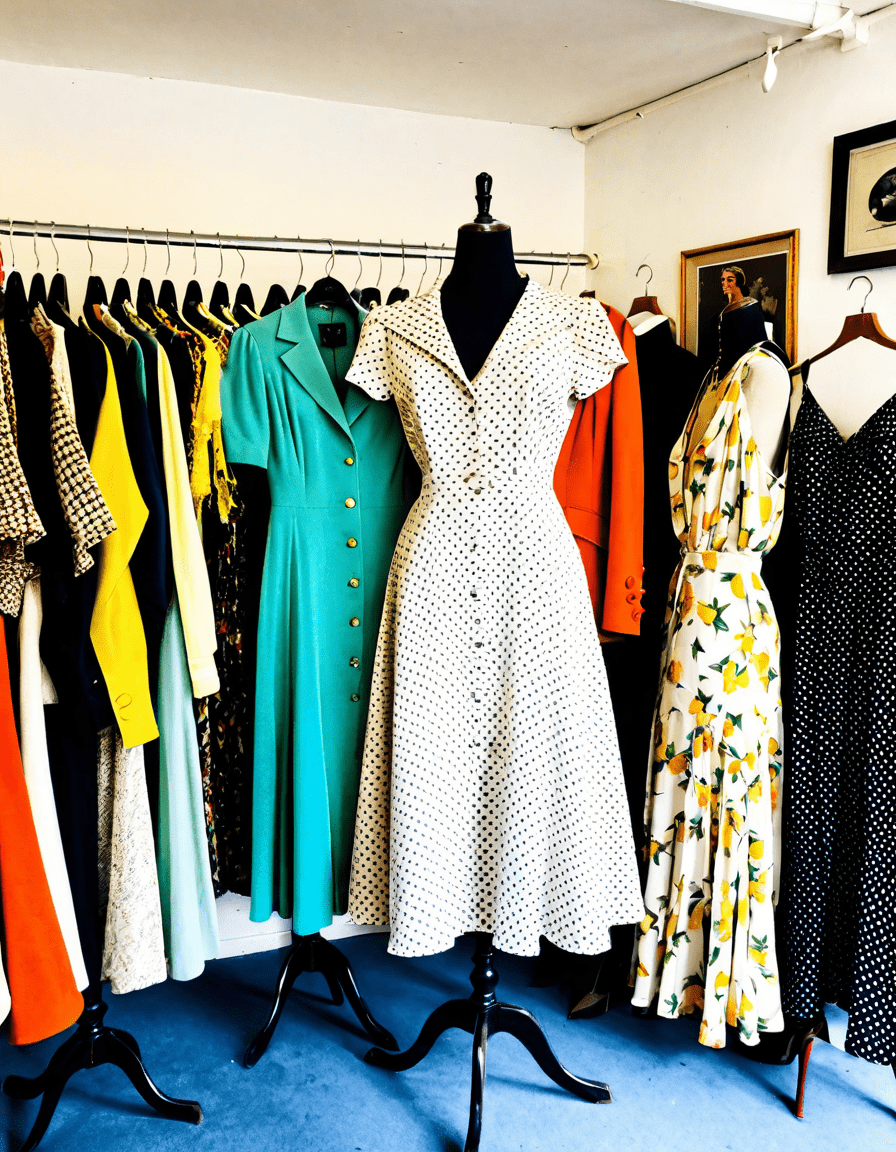
Analyzing the Evolution of Fashion Through Iconic Personalities
The history of fashion is rich with narrative layers, often mirroring societal changes. Fashion icons like Chanel and Kahlo illustrate how personal style connects to broader cultural movements. For instance, Chanel’s cuts echoed the feminist movements of her time—each seam resonating with the push for women’s liberation.
Rihanna’s commitment to inclusivity exemplifies a modern shift towards diversity. By launching Fenty Beauty, she addressed a long-standing gap in the market, providing a palette for all skin tones. This trend signals a greater societal awareness of representation in fashion and beauty.
Likewise, each icon listed contributes to ongoing dialogues about identity. Diana’s wardrobe choices reflected her personal growth, while Lagerfeld’s designs celebrated eclecticism. This interplay between fashion and social responsibility hints at a promising future where diverse voices continue to guide industry trends.
The Impact of Humor in Fashion: Tickling the Funny Bone
Humor, an often-underappreciated aspect, can invigorate or disrupt traditional fashion. Certain designers, like Moschino, ingeniously weave cheekiness into their collections, sparking conversations and inviting both laughter and critique. Their playful takes on luxury brands and social issues remind us that fashion can be both serious and fun.
Fashion icons like Vivienne Westwood leverage wit to challenge norms, showcasing that style transcends aesthetic value. By infusing humor into their work, they engage not only the eyes but also the intellect and emotions of their audience.
The duality of fashion—absolutely fabulous alongside humorous—illustrates its power to provoke thought and delight simultaneously. This interaction allows for deeper appreciation and raises questions about beauty and identity in society.
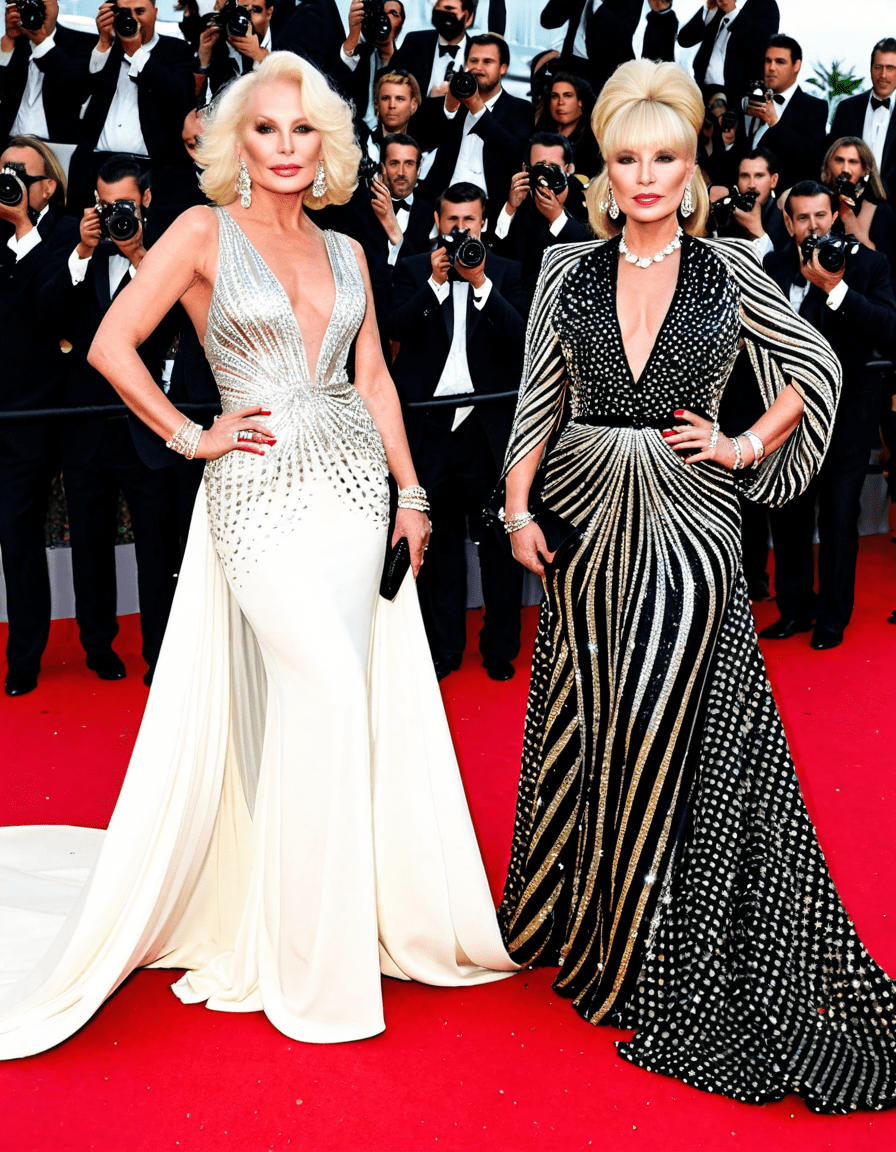
Celebrating a Legacy of Fashion Icons
Fashion remains a vibrant canvas reflecting personal identities and cultural ideologies. The legacies of these absolutely fabulous icons highlight not just trends but transformative movements within society. From Chanel’s pioneering spirit to Rihanna’s bold inclusivity, each figure has harnessed fashion as a means of self-expression, empowerment, and humor.
As our world becomes more interconnected, the influence of these fashion icons is set to deepen. They pave the way for new voices to emerge, continue shaping industry standards, and redefine what it means to be fabulous. The dialogue between fashion and societal norms is ongoing, and as we celebrate these icons, we invite more diverse narratives into the fabric of fashion history.
In this ever-evolving landscape, let’s recognize the threads that connect us and encourage future generations to embrace their uniqueness—because in the business of style, authenticity is always absolutely fabulous!
Absolutely Fabulous: Fashion Icons Through Time
Fashion Quirks and Trivia
Did you know that some of the most iconic fashion statements have unexpected stories behind them? For instance, the famous “little black dress” was popularized by Coco Chanel in the 1920s, but it took another decade before it became a staple in women’s wardrobes. Just like how Bam Bam Flintstone sported his caveman chic, our fashion heroes continue to inspire styles that stand the test of time. Speaking of standing the test of time, the infamous “supermodel” era of the ’90s brought together personalities like Naomi Campbell and Linda Evangelista, whose friendship echoed the importance of collaboration in fashion circles, just like navigating a career path at General motors.
Trends that Defined Eras
Fast forward to the age of social media, and trends seem to change at lightning speed. Interestingly, the rise of ‘influencer culture’ parallels the explosive growth of brands like Rumchata, which captured markets with their unique flavor profiles. It’s all about adapting, like a horse’s gestation period, which is a remarkable 11 months—showcasing how patience can lead to beauty in fashion, much like a designer’s creative process. As fashion icons strut down runways, they often reflect what’s buzzing in pop culture, always fun to watch, much like a good pun from a Funnybone.
Icons Who Made Waves
Now, let’s not forget about the wave-makers. The likes of Chelsea Green have stormed the fashion scene, blending sustainability with high fashion. Their approach is absolutely fabulous in making green choices mainstream. Meanwhile, events like Paris Fashion Week reveal the latest hot trends that don’t just capture eyes but also hearts; these happenings keep fashionistas buzzing! Ever wondered about the meticulous operations driving innovation? Companies are utilizing practices outlined in the Erp Wiki to make sure they stay ahead. And much like the excitement surrounding the new Tesla headquarters, the fashion industry thrives on new ideas and cutting-edge technology.
In a world where being absolutely fabulous means embracing change, it’s exciting to see how fashion continually evolves while keeping its roots alive.