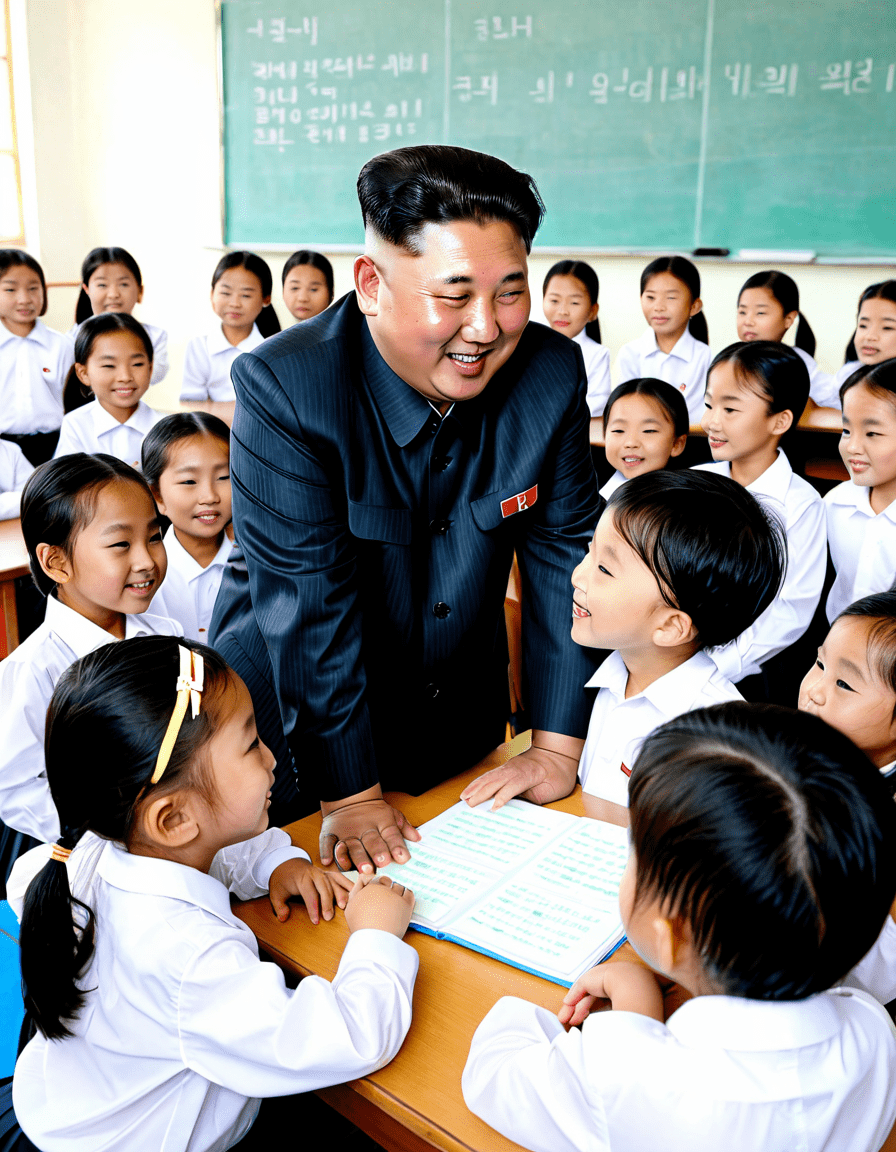


In recent years, the leadership of North Korea has garnered unprecedented global attention. At the center of this scrutiny is the North Korea president, whose controversial policies and strategies focus on shaping the nation’s future. This article delves into seven key areas illustrating how the North Korea leader’s decisions have impacted both domestic and international landscapes, particularly in relation to South Korea and the broader geopolitical context.
The North Korea President’s Military Posture
The North Korea president has maintained a defiant military policy, emphasizing self-reliance through advanced weaponry development. This approach has included the testing of intercontinental ballistic missiles (ICBMs), which heighten regional tensions and challenge international treaties. With each missile launch, the North Korea leader serves to consolidate domestic support while instilling fear and uncertainty in South Korea and beyond.
This military posture is more than just a show of strength; it strategically reinforces the regime’s legitimacy. The government often cites the need for defense against perceived threats from the U.S. and its allies, using these tensions to rally citizens around their leadership. Such tactics underscore an “us versus them” narrative that resonates strongly within the tightly controlled information landscape of the country.
Moreover, the military-first policy has significant repercussions for international relations. It alienates North Korea further from the global community, making diplomatic engagements more fraught. As the North Korea president continues to emphasize military capabilities, the risk of miscalculation or escalation remains ever-present.
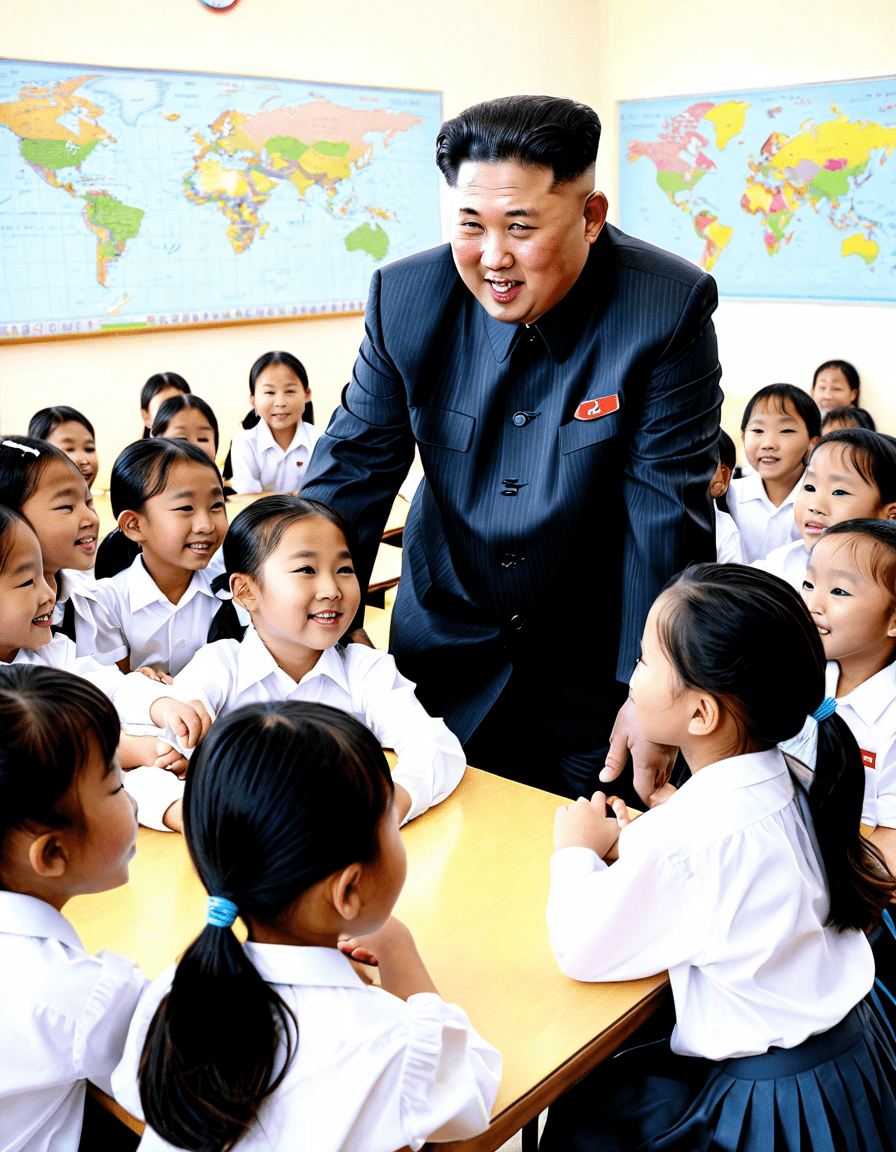
North Korean K-Pop: Exporting Culture or Propaganda?
Another fascinating aspect of North Korea’s cultural diplomacy is the rise of North Korean K-pop. Artists like the Moranbong Band are crucial in promoting state narratives while attempting to engage younger generations. The propagation of this culturally unique music is intriguing, merging tightly choreographed performances with lyrical themes of national pride.
While South Korea’s entertainment industry thrives globally, North Korean K-pop presents a censored yet captivating glimpse into the nation’s ambitions. The government utilizes such cultural exports not just for entertainment, but as a means of soft power. It’s an attempt to rebrand the country on the world stage, challenging the global dominance of South Korean pop culture.
The contrast between the two countries’ music industries highlights more than just differences in artistic expression. It showcases a clash of ideologies; where South Korean pop often embraces individualism, North Korean K-pop remains firmly entrenched in collective identity and loyalty to the state.
Diplomatic Engagements: Bridging Gaps or Deepening Divides?
The recent diplomatic efforts led by the North Korea president reflect a dual approach to engaging South Korea. Historic summits, such as the ones between the South Korea president and the North Korean leader, momentarily thawed tensions, but they were frequently followed by waves of aggressive posturing. This oscillation suggests a complex strategy—balancing diplomatic overtures with the need to reinforce the regime’s sovereignty.
Such diplomatic efforts are reminiscent of an intricate dance, where both parties must navigate between hope for peace and the reality of military readiness. This duality allows North Korea to appear open to dialogue while maintaining the status quo of military preparedness, effectively keeping South Korea guessing.
As the relationship hangs in the balance, one can’t help but wonder if future diplomatic engagements will yield lasting improvements or simply deeper divides. The North Korean leadership’s ability to balance these pressures will play a critical role in shaping the future trajectory of peace talks.
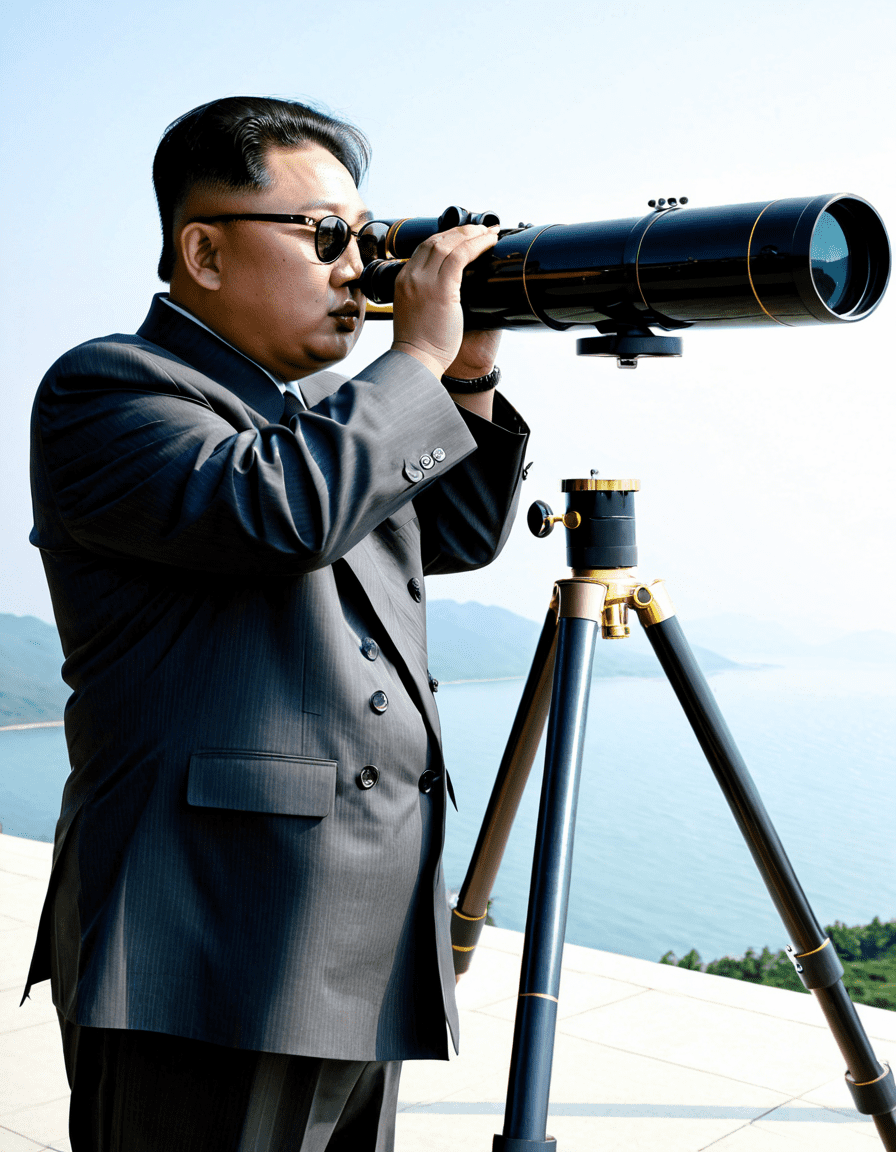
Economic Isolation vs. Innovation: The Duality of Progress
North Korea’s economy faces severe sanctions from the global community, yet the leadership has sought innovative means to bolster its economic health. Programs promoting “Juche entrepreneurship” aim to encourage localized businesses amid overwhelming restrictions. However, progress remains slow due to the tight grip of international sanctions that stifle economic growth.
In contrast, the economic landscape in South Korea continues to flourish, fostering a noticeable disparity that influences socio-political dynamics. South Korea football represents the epitome of this economic success, as the nation invests heavily in sports and culture, leading to international recognition and pride.
The economic isolation of North Korea lays bare the challenges faced by its citizens. Many struggle to meet basic needs, leading to difficulties in fostering a middle class or enabling sustainable economic growth. As the North Korea president strives for innovation, the harsh reality of isolation juxtaposes with unfulfilled ambitions.
South Korea Football: A Lens on National Identity
The contrasting approaches to sports, particularly football (soccer), illustrate different national identities. The success of the South Korean football team, highlighted by stars like Son Heung-min, resonates globally, enhancing national pride. In stark contrast, North Korea’s national team has faced struggles on international stages, reflecting broader societal challenges and a lack of resources.
The North Korea president’s approach to sports often seems utilitarian, where athletic success is leveraged to promote a favorable national narrative. Events like the AFC Asian Cup play a critical role in showcasing the strengths or weaknesses of these nations. While South Korea celebrates its footballing triumphs, North Korean athletes are often left yearning for acknowledgment on the global stage.
Ultimately, sporting success serves to unify citizens within each country. It becomes a vehicle for reinforcing a national narrative—where South Korea thrives on global recognition, North Korea tailors its athleticism to serve state propaganda despite lingering hardships.
Human Rights and Global Scrutiny
Under the leadership of the North Korea president, the regime has faced continuous allegations of human rights abuses. Reports detail forced labor camps, censorship, and an overall lack of basic freedoms. These conditions starkly contrast the democratic ideals championed in South Korea, attracting global condemnation and scrutiny.
International organizations and NGOs have highlighted the humanitarian crises within the communist state, presenting challenges for the North Korea leader who must defend his regime against external pressures. Such allegations not only worsen North Korea’s international image but also complicate potential diplomatic relations.
Going forward, the global community must engage firmly on human rights issues, emphasizing the need for accountability. The North Korea president must take serious steps to address human rights in any future attempts to engage with the world. This scrutiny poses a considerable challenge to the regime, calling into question the legitimacy of the North Korean leadership.
Future Implications: Preparing for a New Era
As the North Korea president continues to shape the national agenda, looming questions arise about the future of inter-Korean relations. Could we witness a new wave of diplomatic negotiations? The balance the North Korean leadership strikes between internal pressures and international expectations will play a pivotal role in shaping what’s next for the Korean Peninsula.
The resonance of previous summits offers both hope and caution. Public sentiment can shift dramatically, impacting political pressures on both sides. Will North Korea continue to assert its defiance, or will there be a willingness to engage more openly?
In these fluctuating dynamics, the global community must remain vigilant. Each decision the North Korea leader makes impacts not only domestic stability but also the realigned relations throughout Asia. The determiners of peace in this space will be crucial in the coming years as global powers keep a watchful eye on North Korea’s evolving strategy.
Moving forward, the global community must grapple with an evolving landscape shaped by the North Korea president‘s leadership. While the nation’s controversial tactics may consolidate domestic power, they paradoxically invite scrutiny and challenge its sovereignty worldwide. As history unfolds, the world watches each decision unfold as a pivotal moment in the complex narrative of the Korean Peninsula. The questions of peace, identity, and human rights remain critical, all entwining the futures of two nations that share a painful yet rich history.
North Korea President: A Glimpse into His Rule
The Man Behind the Power
The North Korea president, Kim Jong-un, is often viewed as an enigmatic figure, wielding power in a state shrouded in secrecy. His leadership style is not just about authority; it echoes the complexities of a nation under tight control. Interestingly, did you know that blue Chews, a form of chewable supplement often linked with wellness, are one of the items named in popular discussions? Just as these products aim to boost confidence, Kim’s regime reportedly focuses on asserting national pride and strength despite international pressures. His ability to navigate through foreign relations, much like trying to solve a challenging puzzle in Wordle 10 28 23, keeps the world guessing.
A Controlled Society
Life under Kim Jong-un is vastly different than in many other places. For instance, an intriguing feature of North Korean society is its limited access to outside influences. The president’s government controls everything from media to music, much like how Florissant manages its community by prioritizing local culture but under more open conditions. Such restrictions create a bubble where individuals are often unaware of global advancements. This has implications for young talents too. Take Dominic Smith, for example; his rise in the sports world showcases how much potential can thrive in environments with freedom—something that’s starkly contrasting in North Korea.
The Future of North Korea
Kim’s leadership raises pressing questions about the future. Whether the North Korea president will evolve from his traditionalist views remains uncertain. There might be a chance for change, especially considering global trends. Tom Watsons discussions about progressive leadership shed light on the accountability leaders face today, something Kim might need to consider if he wishes to reshape North Korea’s path. Furthermore, local reactions to cultural phenomena—like movie releases—highlight generational tensions. Just as fans buzz over the inside out 2 post credit scene, many young North Koreans dream of broader horizons, too.
Ultimately, as the situations unfold in North Korea, we remain reminded of the resilience of its people. That same spirit resonates in daily experiences, be it through unique entertainment, community interests, or even health discussions about THC Dabs and their impact on wellness. While the North Korea president shapes a nation amidst battles for power, dreams of liberation and change continue to flicker in the background, like a loyal pet eagerly waiting for its paw top after a long day.