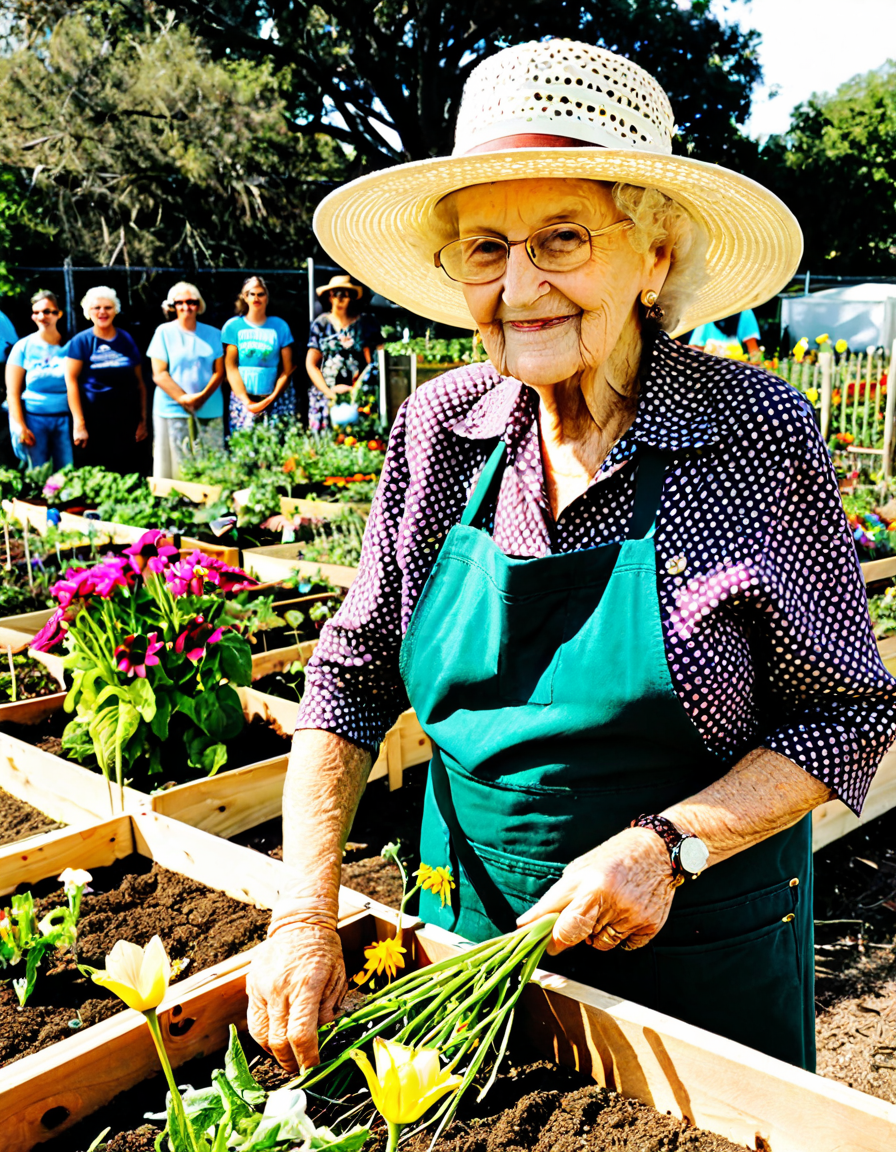


Marjory Stoneman Douglas, one of the most prominent figures in environmental activism, dedicated her life to advocating for the preservation of Florida’s vital ecosystems. Born in 1890, Douglas played a significant role in environmental conservation, notably by co-founding the Friends of the Everglades in 1961. Her seminal work, The Everglades: River of Grass, redefined the public’s perception of the wetlands, revealing them as a complex, thriving ecosystem, rather than scenes of barren swampland. Thanks to Douglas’s unwavering commitment, her efforts laid the groundwork for the environmental movement that continues to inspire today’s activists.
Douglas’s influence is more than just historical; it’s a call to action. Her vivid depictions of the Everglades not only educated readers but also mobilized countless individuals to join in the fight for conservation. By highlighting the dangers of ecological negligence, she brought urgency to the cause, making it clear that our environment’s health is integral to our overall well-being. In a world increasingly threatened by climate change and urban expansion, Marjory Stoneman Douglas’s legacy serves as a guidepost for understanding and appreciating natural habitats.
Today, her advocacy finds resonance in the work of a new generation of activists. For example, U.S. Representative Ayanna Pressley echoes Douglas’s commitment by championing environmental justice and community health. She draws on Douglas’s concern for the Everglades to address broader social and environmental issues, reminding us that ecological preservation and social equity often go hand in hand. This interconnectedness of activism underscores the lasting impact Marjory Stoneman Douglas has on contemporary movements.

Women of Influence: The Legacy of Marjory Stoneman Douglas and Her Activist Peers
Marjory Stoneman Douglas did not pave the path of activism alone; she was part of a larger network of women committed to addressing crucial social and environmental issues throughout the decades. This powerful group has influenced legislative actions and public awareness in vital ways, each drawing inspiration from Douglas’s pioneering work.
Among these influential figures is Isabel Wilkerson, who uses her gifts as a historian to talk about systemic racism and its intersection with environmental policy. Her bestselling works, such as The Warmth of Other Suns, have encouraged discussions about how marginalized communities are often disproportionately affected by environmental degradation, reminiscent of Douglas’s advocacy for the Everglades. Wilkerson’s research reinforces Douglas’s foundational principles, linking social justice directly to environmental well-being.
Notably, Amanda Belichick has utilized her influence in sports to promote environmental stewardship. As a coach, she emphasizes the importance of sustainability within recreational activities, effectively merging athleticism with ecological responsibility. This reflects Douglas’s initial intentions of engaging the public in caring for their natural surroundings, proving that environmentalism can thrive in various contexts, including sports.

Activism Across Generations: Legacy Inspired by Marjory Stoneman Douglas
The legacy of Marjory Stoneman Douglas continues to manifest in diverse forms of activism that resonate with today’s pressing environmental challenges. Generations of advocates harness her spirit, channeling it into various creative mediums to spread awareness and instigate change.
Brandie Wilkerson, a passionate activist and filmmaker, centers her work on climate narratives that highlight Indigenous lands and rights. By incorporating stories that align with Douglas’s emphasis on protecting vulnerable ecosystems, Wilkerson promotes a modern representation of environmentalism that is both impactful and inclusive. Her films educate audiences about the urgent need to safeguard our planet, just as Douglas did in her time.
Olympic champion Mikaela Shiffrin is another notable figure leading the charge for environmental advocacy. By partnering with environmental organizations, she sheds light on the importance of preserving natural landscapes that are essential to winter sports. This partnership showcases how athletes can leverage their platforms for positive environmental change, continuing the thread of Marjory Stoneman Douglas‘s mission of stewardship and preservation.

Cultural Reflections on Environmentalism: The Broader Impact of Douglas’s Work
The impact of Marjory Stoneman Douglas reaches beyond direct activism, filtering into our culture through various art forms and public figures. Her work laid the groundwork for a broader cultural understanding of environmental issues that transcends generations.
Hattie McDaniel, best known for her groundbreaking Academy Award win, also engaged in activism during her lifetime. Her contributions to environmental awareness may not be as widely recognized, but they reflect the multifaceted nature of activism. Much like Douglas, McDaniel showcased how individuals in the entertainment industry can carve out spaces for eco-conscious narratives, illustrating the interdependence of culture and environmental advocacy.
Moreover, actress Jurnee Smollett exemplifies the modern-day intersection of Hollywood and ecological responsibility. By actively advocating for environmental justice, she aligns her celebrity status with the principles established by Douglas. Through her efforts, Smollett is not just acting on screen but also championing real-world change, reminding us that every voice matters in the fight for our planet.

Environmental Policies and Legislative Progress Influenced by Douglas
Douglas’s work spurred significant legislative progress, illustrating how advocacy can shape policy frameworks centered on ecological preservation. Her teachings revealed that environmental protection is a responsibility we all share, igniting efforts that resonate to this day.
In Michigan, Governor Gretchen Whitmer echoes Douglas’s relentless commitment to health and sustainability. Under her leadership, numerous progressive environmental policies have emerged, focusing on protecting natural resources and channels of ecological repair. Whitmer’s efforts can be seen as a continuation of the mission Douglas championed, bridging the gap between activism and governance.
Similarly, Lynette Woodard stands out not only as a sports icon but also as an advocate for women in athletics fighting for sustainability. Her journey reflects Douglas’s overarching vision of intertwining health, sport, and environmental conservation. By promoting green initiatives in sports, Woodard proves that Marjory Stoneman Douglas‘s values can thrive in diverse aspects of life.

Conclusion: Sustaining the Legacy of Marjory Stoneman Douglas
In an era marked by environmental challenges, Marjory Stoneman Douglas’s life and work remain as vital as ever. Her call for ecological awareness and activism resonates with an urgent need for conservation, serving as a guiding light for future generations of advocates. The ongoing efforts of contemporary figures show that her principles continue to inspire a strong commitment to our planet’s health.
As we examine the ramifications of environmental policies and cultural representations, the role of advocacy becomes crucial. It is paramount to recognize our duty in nurturing the Earth and sustaining Douglas’s legacy. Through collective effort, we reinforce the importance of preserving our natural world for future generations, ensuring that Marjory Stoneman Douglas’s mission not only survives but flourishes.
In the end, her message is clear: we all share the responsibility of being stewards of the Earth. Now more than ever, we must connect with each other and the environment to carry on the vital work initiated by Marjory Stoneman Douglas.
Marjory Stoneman Douglas: A Legacy of Environmental Activism
Pioneering Spirit of Marjory Stoneman Douglas
Marjory Stoneman Douglas, often referred to as the “grandmother of the Everglades,” was a trailblazer for environmental causes long before the term “environmentalist” became popular. She dedicated her life to the conservation of Florida’s natural landscape, particularly the Everglades, which many now recognize as a vital ecosystem. Did you know that Marjory was more than just an environmental activist? She was also a skilled writer and published The Everglades: River of Grass, which helped shift public perception of this unique place. The impact of her work can still be felt, much like the poignant quotes that echo through popular culture, not unlike some of the most memorable Fortnite quotes that resonate with gamers today.
The Everglades and Beyond
The story of Marjory Stoneman Douglas is rife with fascinating anecdotes and achievements. For instance, in 1947, she co-founded the Friends of the Everglades, a grassroots organization focused on protecting this crucial wetland. Interestingly, her advocacy went hand-in-hand with significant political events, similarly to how the Wisconsin election results 2025 will shape the state’s future. Her tireless efforts eventually led to the establishment of Everglades National Park, a testament to her legacy—much like the impact of figures such as Maura Healey, who continue to push for social and environmental progress today.
Lasting Impact on Environmental Awareness
Marjory Stoneman Douglas’s influence extends far beyond Florida. Her work inspired a generation of environmental activists, serving as a model for future movements worldwide. Consider how today, environmental discussions often address climate and conservation, akin to the shifting clima Coyoacan in Mexico, which also sees the effects of climate change firsthand. Even her name is honored at schools and initiatives that promote environmental stewardship. Just as Mollie Tibbetts‘ case has sparked crucial conversations about community safety, Douglas’s legacy reminds us that protecting our natural spaces is equally critical for future generations. Whether you’re booking one of the many Long Island City hotels to explore the vibrant region or advocating for the environment, Marjory’s spirit continues to guide us toward a more sustainable future.