

The Iowa results of the 2026 elections have once again taken center stage, providing crucial insights into the shifting political climate of the nation. As candidates and voters alike sift through the implications of these outcomes, it’s become clear that these results are more than mere numbers—they’re a reflection of the evolving priorities and values of the American electorate. What do these Iowa results mean for voters across the country? Let’s dive into the key takeaways, breaking down how they align with various demographics and the broader political landscape.
1. Key Takeaways from the Iowa Results and Their Impact on the Electorate

1.1 Understanding Iowa’s Political Landscape
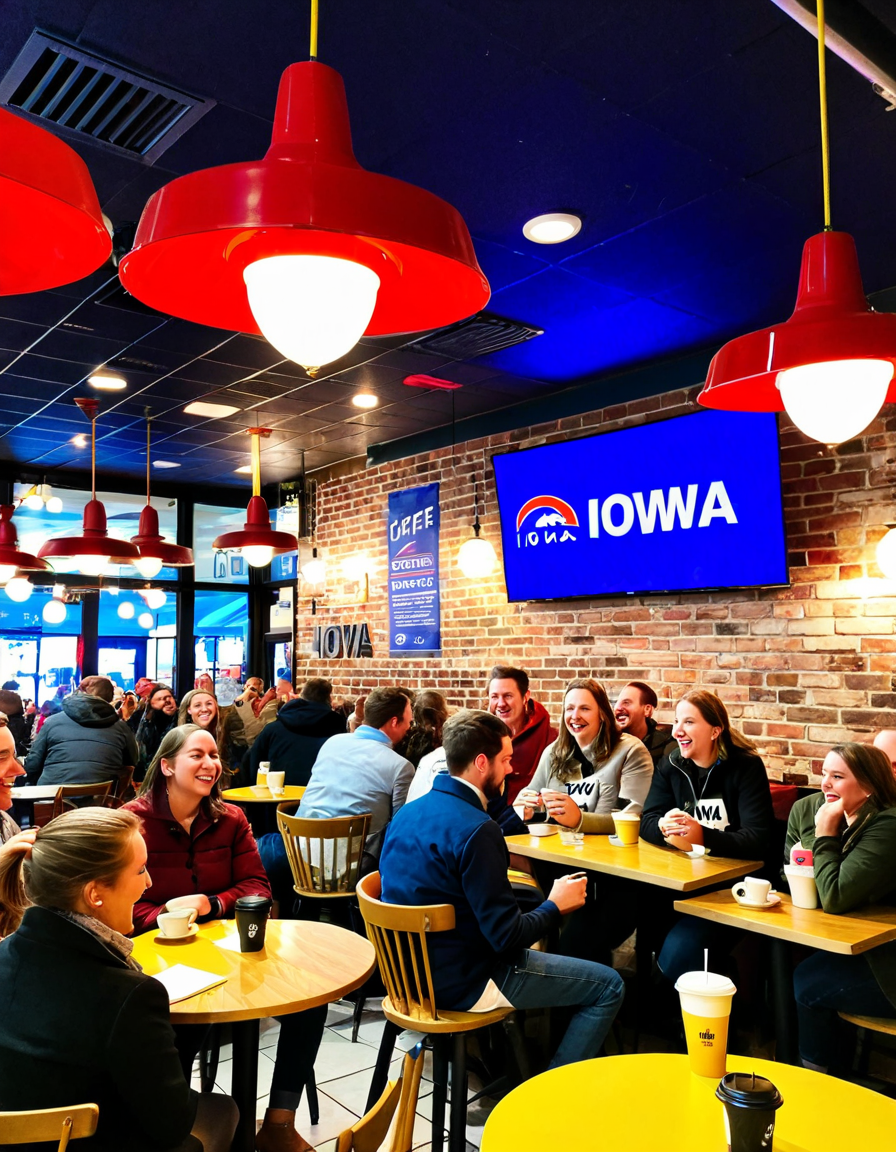
Iowa’s position as the first-in-the-nation caucus state gives it immense power to set the tone for the presidential primaries. Analyzing the 2026 results reveals a significant shift toward candidates prioritizing urgent issues such as climate action and healthcare reform. Candidates who rallied around these topics garnered substantial support from a largely youthful electorate, many of whom were first-time voters seeking a change.
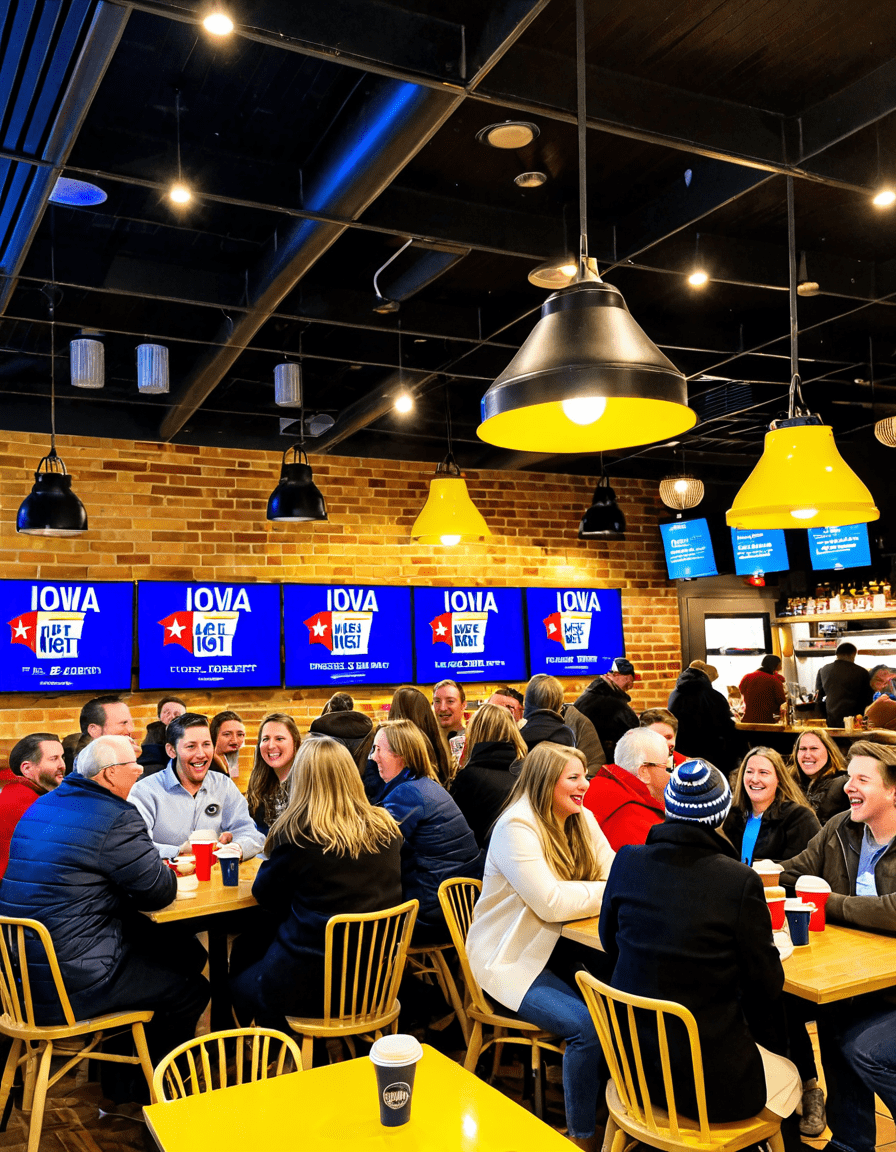
Candidates like Ava Martinez, who championed sustainability, saw an inspiring turnout, illustrating that younger voters are not only engaged but passionate about the direction in which they want their leaders to take the country. Their pivotal participation could very well dictate the priorities of future candidates, reflecting a strong demand for innovation over tradition.
1.2 Voter Preferences Indicated by Polling Data
Polling data from the Iowa caucus underscored a surprising enthusiasm among voters for candidates aligned with progressive ideals. Those candidates advocating for renewable energy and environmental reforms—key issues for today’s youth—painted a picture of the electorate that’s increasingly concerned about the planet’s future. The viral appeal of memes, such as the let me in meme, emphasizes how social media enables these candidates to connect with audience sentiments effectively.
This shift isn’t just a blip on the radar; it represents a deep-rooted transformation in voter motivation. Candidates who ignore these trends do so at their own peril, as evidenced by the stark differences in turnout rates compared to their more traditional counterparts.
2. Performance Metrics: Comparing Scores Across Key States
While the Iowa results are indeed significant, they gain even further clarity when viewed against scores from other critical states. By comparing metrics from Utah, South Carolina, and beyond, we can better understand how different demographics respond to various candidate platforms.
2.1 BYU Score in Utah: A Contrast to Iowa’s Results
The BYU score from Utah highlights a distinctly different political landscape. Traditional values remain paramount there, creating a noticeable contrast to Iowa’s more progressive outcomes. While candidates in Iowa were talking about climate change, Utah’s candidates found traction on conservative issues, emphasizing family values and faith—forces that continue to resonate deeply within their electorate.
This divergence brings forth an interesting question: how can candidates adapt their messages to navigate between the contrasting state cultures without alienating their base? It emphasizes the importance of understanding regional contexts in campaign strategies.
2.2 Clemson Score in South Carolina: Southern Dynamics
In South Carolina, the Clemson score shows a different set of dynamics at play. Candidates catering to traditional Southern values often find contentment with their results, so the progressive shift observed in Iowa stands in sharp contrast. As issues of race, economics, and social justice take center stage nationally, Southern candidates have to strategically blend respect for local traditions while addressing contemporary concerns.
2.3 Purdue Score in Indiana: The Rural Factor
Iowa’s results shed light on rural issues that resonate with voters, such as job creation and community engagement—a sentiment mirrored in the Purdue score from Indiana. Although both states aim for similar growth strategies, Indiana leans toward industrial growth rather than the sustainable initiatives favored by Iowa voters. This poses a crucial challenge for candidates as they strive to implement policies that resonate with their specific constituents.
2.4 Auburn Score in Alabama: Southern Conservatism
As we analyze the Auburn score, it’s apparent that Alabama voters remain steadfast in their conservative beliefs, despite Iowa’s apparent leftward shift. This demonstrates a simple truth for political aspirants; understanding local sentiment remains critical. Future campaigns will need to acknowledge these differences in order to forge effective strategies that resonate authentically with voters.
2.5 Colorado Baylor Score: Emerging Independents
Exploring the Colorado and Baylor scores reveals the emergence of independent voters, who seem increasingly disenchanted with partisan extremes. Many of these voters seek a moderate path—an avenue largely abandoned in the passionate left-right tussle characterized by Iowa. Adjusting campaign platforms to engage these independents could prove pivotal leading up to the national election, affecting regional strategies.
2.6 Iowa Score: The Heart of Midwestern Values
Returning to Iowa’s results, we find a community focused on relevant local issues over national controversies. This concentrated dedication showcases the power of grassroots initiatives, urging candidates to prioritize localized governance and community engagement rather than polarizing agendas. It’s a refreshing reminder that local needs often take precedence in the minds of voters.
2.7 Texas Score: Lone Star Independence
Texas’s results reflect a mix of traditional and emerging progressive ideals, showcasing an ever-shifting electorate. This duality challenges the notion of “traditional voter behavior,” as highlighted by significant variances in voting patterns compared to past cycles. Candidates can no longer underestimate the complexity of voter priorities across state lines.
2.8 Georgia Score: The New Battleground
Georgia has recently emerged as a key battleground, with its scores indicating a substantial shift toward centrist candidates. Suburban voters who once leaned heavily on traditional party lines are now gravitating towards moderate platforms that resonate with the messages emerging from Iowa. Just as local issues play universally significant roles, this indicates that broader national themes can influence voter dynamics even in distinctly different regions.
Analyzing the Future: What’s Next for Voters?
In conclusion, the Iowa results of 2026 demonstrate a compelling landscape of shifting values that will likely continue to influence upcoming elections. As candidates prepare for further primaries and the ultimate general election, the ability to grasp these local nuances while crafting broader narratives will be key. To stay ahead in this competitive field, they must listen to the voices echoing from states like Iowa and others, where community concerns drive the conversation.
Recognizing that voters prioritize local over national issues underscores a profound reality. Iowa serves as more than just a critical state; it’s a reflection of Americans’ evolving viewpoints, priorities, and expectations. As we move forward, the lessons learned from this year’s election will not only shape candidates’ strategies but also pave the way for a transformative electoral future—a future where staying local, listening to constituents, and adapting remain paramount.
Iowa Results: Fun Facts and Trivia
The Iowa results are in, and with them come some fun tidbits worth mentioning. Did you know that the Hawkeye State is not just about politics? Iowa is also home to some fascinating lore and impacted lives through its social security programs. For example, December social security Payments can have a substantial effect on the community, helping many families during the holiday season. It’s a quirky reminder that while campaigns heat up, real life is playing out with distinct stories behind them!
Speaking of unexpected connections, let’s talk about entertainment. The state has produced notable talent, including voice actress Cree Summer, who has entertained countless kids over the years. It’s quite the history manufactured in a place where corn and caucuses typically steal the spotlight. And while voters cast their ballots, sports fans are eagerly watching the latest on events like Rangers Vs Angels, and for hockey aficionados, the thrilling Oilers Vs Stars matchups are keeping everyone on the edge of their seats.
Now, let’s not forget the charm of popular culture. Much like the captivating arcs of Downton Abbey Characters, the Iowa caucuses have their own drama and intrigue unfold every election cycle. Curiously enough, every voter can have their own best day Of My life moment when they cast their vote—it’s that empowering! And as each Iowa result is revealed, it sends ripples through what we can expect next in the political playbook and beyond; it’s all interwoven like the colourful scales of chameleon Sinuses, adapting to the environment they’re in. Lastly, no election season would be complete without some score updates, such as the Tennessee score in sports—it’s just another reminder that the fervor of competition extends across all arenas, whether it’s sports or politics.