

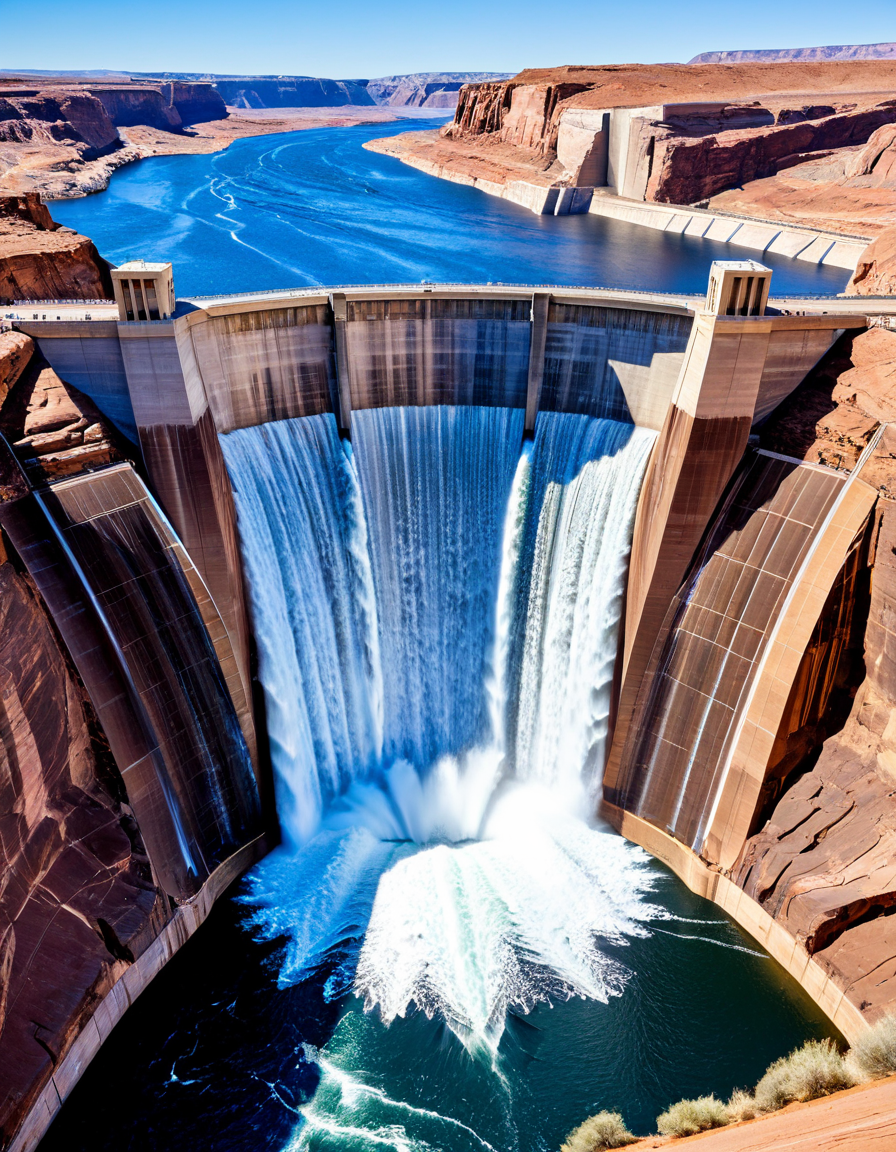
The Glen Canyon Dam, completed in 1966, stands as an architectural triumph amid the breathtaking landscapes of the American Southwest. This impressive structure not only generates hydroelectric power but also plays a pivotal role in ecosystem management and recreation. As a cornerstone of the Colorado River Basin, Glen Canyon Dam has a multifaceted influence on life in the region—from the lush waterways it creates to the flourishing tourism industry. In this article, we delve into the stunning power and natural wonders surrounding Glen Canyon Dam, showcasing its impact on both the environment and local communities.
Top 7 Natural Wonders Enhanced by the Glen Canyon Dam
The functionality and majesty of the Glen Canyon Dam give rise to a unique ecosystem and recreational opportunities enjoyed by thousands annually. Here are seven captivating natural wonders that align with the dam’s impactful legacy:
This sprawling reservoir, created by the dam, is the second-largest man-made lake in the United States. With over 1,900 miles of shoreline, it serves as a hotspot for recreation, drawing visitors to its sandy beaches and turquoise waters. Activities like kayaking, boating, and fishing abound, making Lake Powell a serene escape within the arid landscape, all thanks to the dam’s presence.
Just a stone’s throw from the Glen Canyon Dam, Antelope Canyon boasts stunning slot canyon formations that display a harmonious blend of soft sandstones entwined with rich hues. Visitors flock to this natural wonder to marvel at the interplay of light during midday, capturing its ethereal beauty—an experience that nature photographers and adventure seekers will cherish long after they return home.
Recognized as one of the world’s largest natural bridges, the Rainbow Bridge stands as a tribute to natural beauty and geological wonder. Its proximity to Lake Powell enhances its significance, providing boaters and hikers with access to this majestic structure alongside the scenic waters below. The bridge’s arching form serves as an iconic backdrop for anyone seeking adventure in the great outdoors.
This vast expanse of wilderness showcases layered rock formations and vibrant landscapes, making it a go-to destination for those wanting to immerse themselves in nature. The diverse ecosystems within Grand Staircase-Escalante offer a stark contrast to the arid conditions often associated with canyon country, presenting a beautiful tableau of life and geological awe.
These stunning cliffs, colored in terracotta and deep reds, are essential for local wildlife. The breathtaking views not only attract hikers and photographers but also reward them with an unprecedented experience of nature. For those passionate about the outdoors, the Vermilion Cliffs reveal a story of ancient geological processes that continues to fascinate scientists and nature lovers alike.
A challenging hike leads to the turquoise waters of Havasu Falls, where cascades plunge into striking pools below. This vibrant color emanates from the mineral content and complex geological forces at play. Drawn by its beauty, adventurers from around the globe make the trek to witness this iconic site, further solidifying the Glen Canyon area’s reputation as a hub of natural wonder.
This vast area encompasses diverse landscapes ranging from deserts to mountainous terrain. The Glen Canyon National Recreation Area offers countless opportunities for hiking, camping, and exploration. Efforts to protect and preserve this area emphasize the ecological importance of the Glen Canyon Dam and its surroundings, ensuring that future generations can enjoy its splendor.
The Impact of the Glen Canyon Dam: Perspectives from Communities
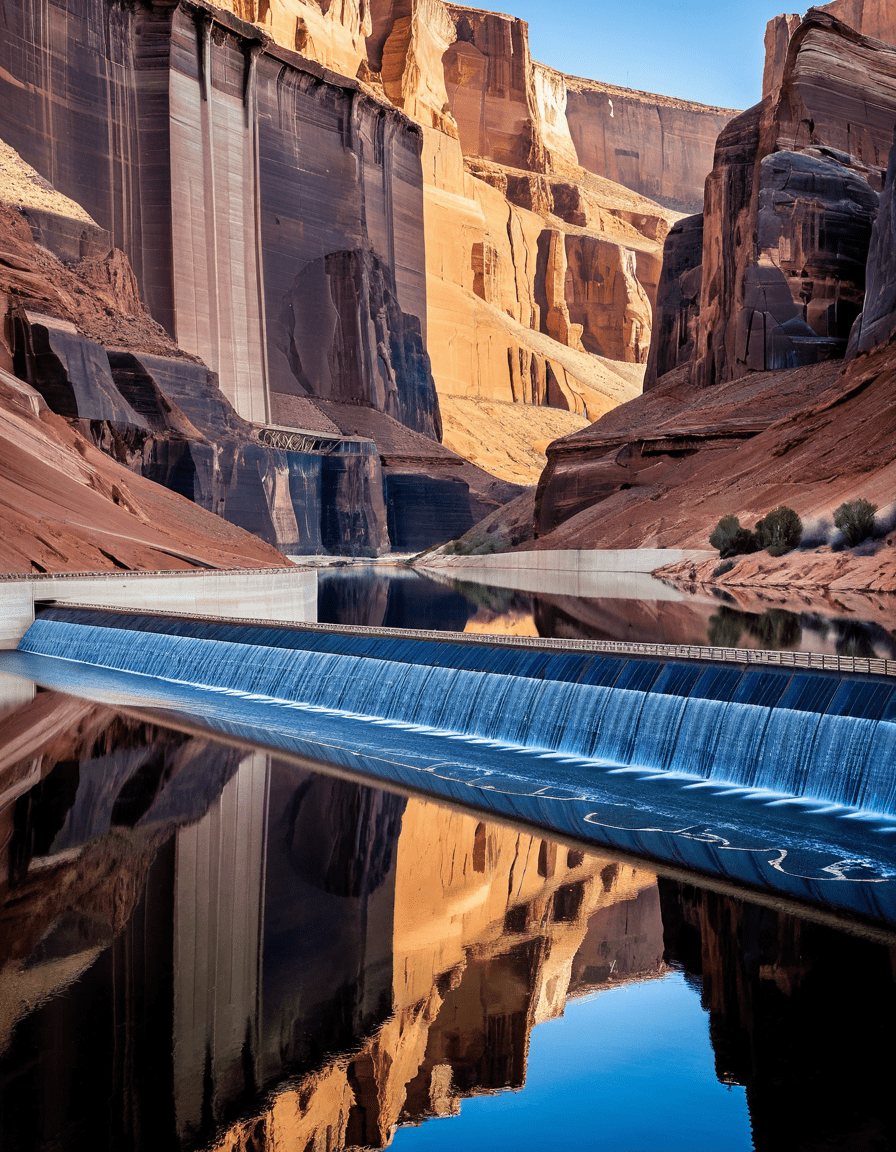
The Glen Canyon Dam has profound implications for various stakeholders, from local communities to environmentalists, showcasing a diverse array of perspectives.
The Mondale Connection: Local advocacy from the Mondale region emphasizes the importance of balancing energy demands with environmental protection. Voices advocating for sustainable practices in water management stress the crucial role of the dam in securing water supplies and hydroelectricity for surrounding towns. This dialogue helps navigate the fine line between progress and preservation.
Green Lake Initiatives: Nearby communities, especially those surrounding Green Lake, relish the recreational opportunities provided by the dam’s power. They advocate for eco-friendly tourism initiatives, promoting local businesses that showcase the natural beauty while contributing to economic growth. This symbiotic relationship bolsters community pride and sustains livelihoods.
Eagle Pass Revitalization Efforts: In places like Eagle Pass, Glen Canyon Dam represents more than just a powerhouse; it symbolizes resilience. Local initiatives focus on revitalizing infrastructure and enhancing community engagement. Efforts aim to maximize the economic benefits derived from both hydroelectric power and tourism, making the most of each resource while fostering sustainable growth.
Environmental Challenges Facing Glen Canyon Dam
Despite its many advantages, the Glen Canyon Dam faces significant environmental hurdles. Diminishing water levels in Lake Powell, due to prolonged drought and climate change, threaten energy outputs, recreational activities, and local wildlife habitats. Such challenges spark urgent discussions about the need for adaptive management strategies balancing human demand and ecological preservation.
Water Drought and its Effects: Chronicled by environmental advocacy groups, prolonged dry periods have led to declining water quality in regions beyond the dam, such as Rochester Hills. This exacerbates competition for water rights among agricultural communities and indigenous tribes, prompting urgent discussions on conservation. The consequences of the drought force stakeholders to rethink their approaches to water management, striving for harmony between nature and civilization.
Ecological Restoration of East Stream: Restoration efforts for ecosystems impacted by hydropower dams have gained momentum. Initiatives focused on rehabilitating East Stream’s ecological health highlight the tension between providing energy and safeguarding the environment for future generations. As community members work together to restore habitats, they thrust the importance of ecological integrity into the spotlight.
Innovation Through Education and Experience
The Glen Canyon Dam serves as more than just an electrical generator; it’s a vital center for education and advocacy. Facilities around the dam, including a visitor center and educational programs, engage the public about water conservation and sustainable energy practices. These initiatives shine a light on the importance of nurturing the delicate balance between human needs and natural resources.
Wrapping Up the Wonders of Glen Canyon Dam
In conclusion, the Glen Canyon Dam stands as a beacon of innovation and a reminder of nature’s breathtaking capacity for beauty and resilience. Its multifaceted role in power generation, recreation, and ecological challenges continues to foster dialogue and inspire stewardship among all who depend on its waters and landscapes. From the jaw-dropping vistas surrounding Lake Powell to the voices of the Mondale region advocating for sustainable practices, the dam’s influence is evident. As we navigate the complexities of modern conservation, the Glen Canyon Dam remains front and center in discussions about sustainability and environmental integrity, encapsulating the ongoing journey between humanity and the natural world. Visitors and communities alike will continue to cherish this landmark, drawn to its allure and the stories it holds.
Glen Canyon Dam’s Stunning Power and Natural Wonders
A Marvel of Engineering
Did you know the Glen Canyon Dam was completed in 1966 and stands at an impressive 710 feet? It’s a breathtaking feat of engineering that plays a vital role in managing the Colorado River’s flow. National parks in the area, such as Glen Canyon National Recreation Area, offer fantastic opportunities for outdoor adventure—like hiking the Helene Path, which unveils stunning vistas. Anyone interested in exploring nature can find diverse trails that lead to fantastic views, making it an excellent spot for a little escapade.
History and Impact
The dam not only generates hydroelectric power but also has a fascinating history. With its creation came the formation of Lake Powell, which is now the second largest man-made reservoir in the United States. This lake attracts countless visitors each year, making it a hub for water activities like boating and fishing. Speaking of entertainment, if you’re considering a movie night after exploring this natural wonder, check out the latest films at the Emagine Theater nearby—it’s the perfect end to an adventurous day!
Nature’s Charm
Moreover, the area surrounding the Glen Canyon Dam is rich with wildlife and unique ecosystems. You might even spot beavers near Beaver Creek, where these industrious creatures have adapted to the changing environment. The interplay between nature and the structures we build often leads to fascinating discoveries, much like how the allure of outdoor adventures prompted the arrival of stunning landscapes featured in popular shows like The Santa Clauses Episodes. Whether you’re a thrill seeker or a nature lover, Glen Canyon’s inspiring beauty has something for everyone. Don’t just take our word for it; head out and experience it for yourself!