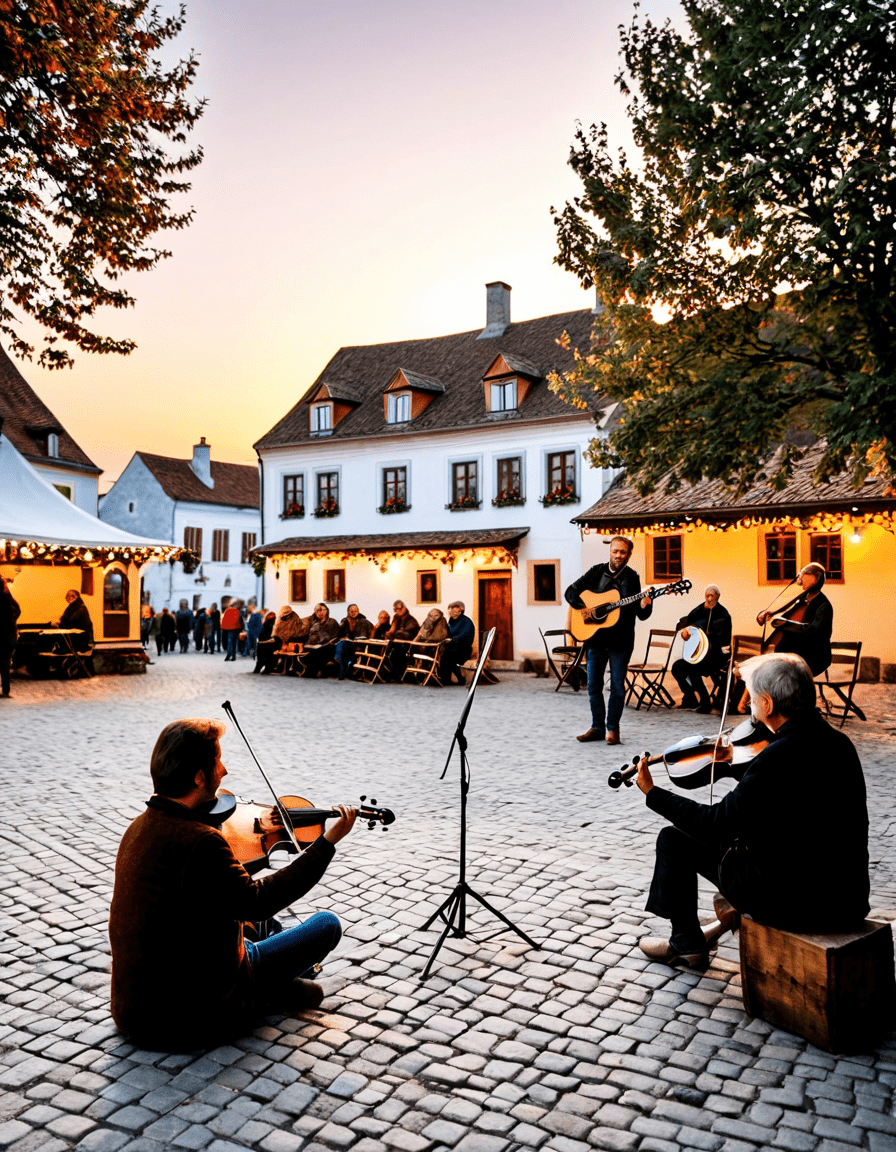


Folk music is far more than just a series of catchy tunes; it’s a medium for storytelling that spans generations and cultures. This genre captures heartfelt stories and timeless traditions, which resonate deeply with listeners, especially in military bases where distance from home makes personal narratives even more poignant. Folk music gives voice to the unspoken emotions of soldiers and their families, weaving together threads of loss, hope, and camaraderie. Of particular note is the song “The Band Played On,” which echoes through military installations, bringing solace and a sense of belonging during turbulent times. Initiatives such as the Armed Services YMCA have harnessed the power of folk music by organizing songwriting workshops that enable military members to express their experiences through the craft, highlighting the genre’s therapeutic benefits.
Folk Music’s Echoes Across Military Bases
The tapestry of folk music is rich with tales that speak to the heart of those who serve. Many soldiers find connection in the melodies and lyrics that reflect their challenges and resilience. Consider “The Band Played On” once more. This powerful anthem captures the spirit of camaraderie, depicting a sense of unity that pervades military culture. Folk music’s role in military life extends beyond entertainment; it serves as a lifeline and a source of identity amidst the chaos and uncertainty.
The military often finds solace in organized activities that unite families and service members. Through folk songs, feelings of isolation dissipate as people connect over shared narratives. The emotional weight carried by these songs often mirrors the struggles of soldiers. When they sing about their experiences, they reclaim their narratives, transforming trauma into art. This interaction amongst active-duty personnel helps foster understanding and healing, fortifying bonds among individuals navigating profoundly challenging experiences.
Moreover, community-building efforts often include musical gatherings, where folk songs serve as the backdrop. These events allow families to engage with one another, fostering connections that withstand the rigors of military life. Emotional expressions through music not only celebrate the strength of service members but also encapsulate the cultural essence of their communities.
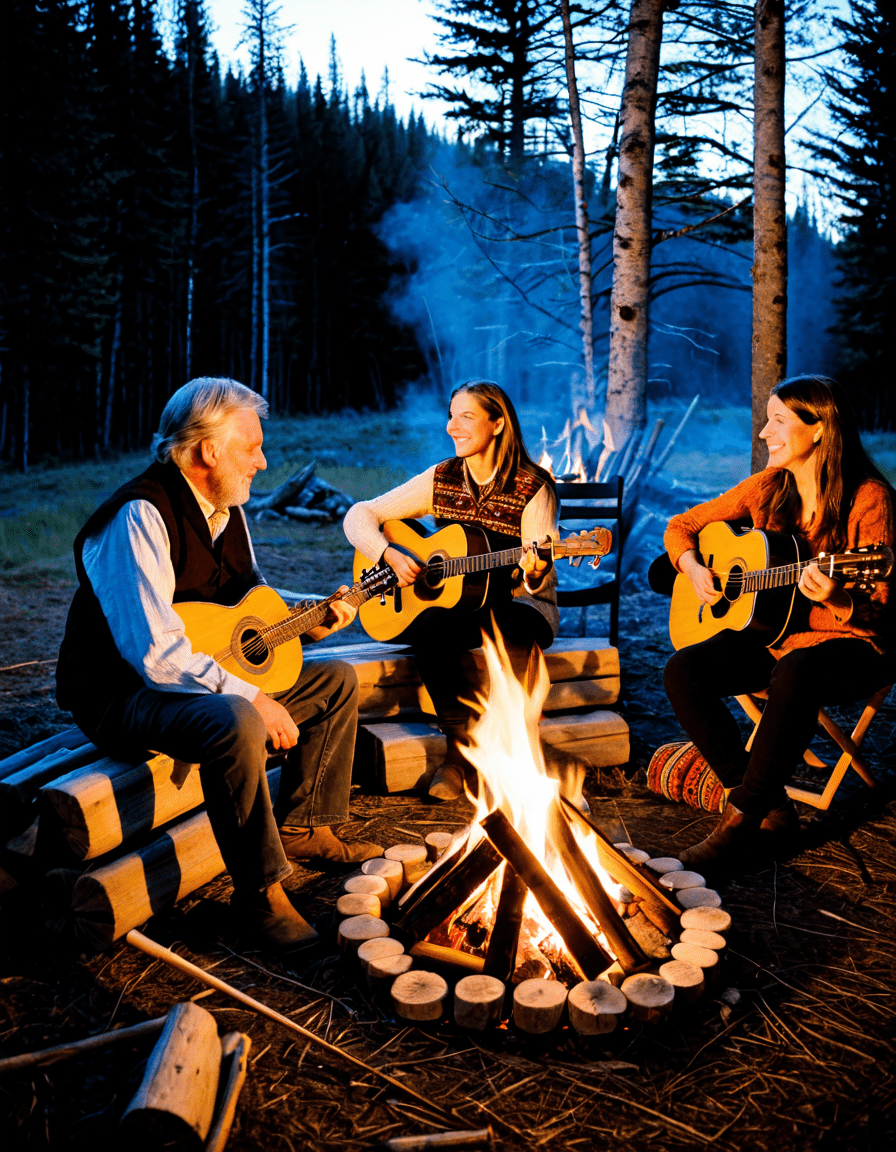
Top 7 Folk Songs Connecting Stories and Traditions
Here’s a look at seven folk songs that beautifully exemplify how this genre intertwines with cultural stories, traditions, and modern issues:
These beloved folk songs evoke feelings of nostalgia, cultural pride, and social consciousness, reflecting the diverse experiences of individuals and communities.
Solar Lights and the Folk Revival: Shining a Light on Tradition
As the world progresses, folk music finds innovative ways to adapt and resonate with contemporary themes, much like the introduction of solar lights for sustainable living. Artists are increasingly weaving messages of sustainability and environmental awareness into their melodies, reflecting society’s growing concern for the planet. One such artist, Rocky Votolato, infuses his work with themes centered on preserving nature and honoring traditional lifestyles.
His approach illustrates how folk music can be a bridge between past customs and future aspirations. Just like solar lights symbolize a bright future powered by renewable resources, the messages in modern folk tunes shine a light on pressing environmental issues. This marriage of tradition and contemporary relevance demonstrates how folk music continues to evolve without losing its core identity.
The folk revival is not merely a return to roots but a movement towards instilling hope and resilience within communities. As artists craft songs that address modern dilemmas, they also invite listeners to reflect on their heritage. This fusion of folk roots with current themes creates a tapestry rich in colors, echoing both history and the path forward we must tread together.
Gold Coins and Folklore: Symbolism in Folk Music
Symbolism plays an essential role in folk music, with motifs such as gold coins emerging to convey deeper cultural narratives. Gold coins vibrant in folklore symbolize wealth and desire yet highlight the bittersweet nature of ambition. Fleetwood Mac’s “Gold Dust Woman,” for instance, illustrates the costs associated with the pursuit of success and the complexities of aspiration.
This symbolic connection serves to anchor folk music within a more extensive cultural dialogue regarding values, desires, and societal norms. Artists often choose imagery like gold coins not only to reflect material wealth but also to encapsulate emotional and psychological struggles that accompany ambition. When listeners encounter such symbols in song, they translate personal experiences into universal truths.
Through folk narratives, listeners find reflections of their own carries, elevating the genre to a communal experience. Songs provide reminders of the joys and challenges that come with pursuing dreams, exposing layers to human behavior and choice. By examining the deeper meanings behind these symbols, folk music enriches cultural conversations, ensuring that the stories it tells remain relevant and impactful.
Leap Years and Folk Traditions: The Stories They Birth
Leap years hold a special meaning in various cultures, often regarded as pivotal times for making wishes or reflecting on one’s journey. Folk traditions have transformed this unique occurrence into an opportunity for storytelling. The indie folk band, The Tallest Man on Earth, aptly encapsulates these themes in their song “Leap Year,” emphasizing the concept of new beginnings and fresh opportunities.
Such explorations through song illustrate how folk music marks the passage of time, offering reflections on life’s significant moments. Leap years, with their rarity, prompt creative musings that resonate with the shared human experience. They encourage community storytelling and celebrate connection, reflecting the importance of tradition in shaping cultural identity.
As artists usher in leap year themes into their music, they breathe life into age-old customs. Folk music thus serves as an archive of lived experiences and the lessons learned within them, establishing a continuous thread that links generations of listeners. By weaving in the essence of these unique years, musicians foster a deeper connection with their audiences, reminding us of the transformative power of time.
Banned Books and Folk Music: A Vehicle for Resistance
Folk music often embraces the spirit of rebellion and social critique much like the ongoing struggle surrounding banned books. Artists have consistently used their platforms to address controversial subjects, making their voices heard in the face of censorship. Billie Holiday’s poignant “Strange Fruit” serves as a powerful example, confronting America’s dark history with racism.
This relationship highlights a shared commitment to freedom of expression between folk music and literature. While banned books face restrictions, folk songs become vessels for unfiltered storytelling, shining a light on societal norms that warrant critique. Both mediums enable creators to challenge the status quo and amplify marginalized voices.
Furthermore, the conversation around banned topics fosters community dialogue, urging listeners to engage with uncomfortable subjects. More than mere entertainment, folk music acts as a means of resistance, reminding us of our collective responsibility to uplift voices that might otherwise be silenced. The genre continues to serve as a platform for advocacy, ensuring the legacies of dissent are preserved within our cultural narrative.
LDS Donations and Folk Music: Cultural Generosity in Song
In various communities, particularly those with a strong emphasis on LDS donations, folk music plays a vital role in strengthening social bonds and communal support. Artists often collaborate on projects that not only entertain but also benefit local charities or outreach programs. For instance, renowned musicians like Jenny Oaks Baker have rallied artists together to create songs that resonate with the stories of those they help.
Though the music may entertain, the underlying message is one of cultural generosity. Traditional folk themes connect listeners to shared values of kindness and community. Through their work, these artists encourage contributions to meaningful causes while also weaving stories that promote empathy and understanding.
In addition to fundraising efforts, folk music creates spaces for conversation and collaboration, fostering connections among individuals sharing common goals. By integrating folk tales and cultural narratives into charitable efforts, musicians elevate the impact of their art. Songs become instruments of change, directly connecting communities to the needs of their neighbors.
Weaving Traditions into the Future
Folk music remains a fluid expression of cultural narratives, continuously integrating past stories with contemporary themes. As the world shifts, this genre serves as a reminder of our shared human experiences and the connections that bind us together. Artists channel the power of storytelling through song, carrying forth the legacies of those before them while addressing current realities.
In an age rife with uncertainty and disruption, folk music continues to weave its magic, stirring emotions and prompting reflection. It inspires action and fosters community, celebrating the stories that shape our identities. As listeners engage with both time-honored traditions and modern messages, they find common ground and solidarity within the evolving landscape of folk music.
As we journey together through time, folk music will undoubtedly remain a vital cultural artifact, rich in stories and heartfelt connections that define human experience. Its power lies not only in its ability to record history but also in its capacity to cultivate hope and resilience amid an ever-shifting world.
Folk Music: Capturing Heartfelt Stories and Traditions
The Roots of Folk Music
Did you know that folk music has roots spanning centuries and continents? Just like the lively interactions of small-town communities or the correspondence picked up in “you’ve got mail,” this genre has been a way for people to share their stories. Often, these songs reflect the lives of everyday folks, expressing love, loss, and celebration in a manner that’s relatable and authentic. Additionally, folk music often highlights traditional instruments like the banjo and the fiddle, which have traveled through generations much like the magical worlds found in Wonderville.
Storytelling Through Song
Folk music is a storytelling art form, but it’s also about oral history. Songs passed down can tell tales that date back to times before written records existed. You might find these heartfelt ballads resonate with you just like your favorite Percy Jackson Fanart connects with fans worldwide. Interestingly, many songs detail the lives of common people—celebrating their struggles and triumphs—allowing us to peek into a life that might seem distant yet profoundly familiar. Folk music goes beyond the superficial, illuminating issues that can even resonate with discussions surrounding polarization in today’s society.
Modern Folk Influences
Today, the influence of folk music is woven into popular culture, seen in various artists who bring that classic spirit to contemporary themes. For instance, artists like Gigi Dior and Aimee Garcia have embraced folk roots while addressing modern narratives through their performances. It’s fascinating to observe how health and wellness themes, like those promoted by Cano Health and Aetna Cvs, have crept into folk lyrics, illustrating a growing awareness of personal well-being. Folk music reminds us that everyone has a story worth sharing, creating a connection that transcends age and background, much like the artistic stylizations of Yoshitaka Amanos work that captivate the imagination.
In essence, folk music doesn’t just fill the air with melodies; it binds us through shared experiences, making the stories sung far more significant than the notes played.