

The term el norte evokes imagery of diverse cultures, shared histories, and vibrant traditions found in the Americas, particularly across the northern territories of Mexico and the southwestern United States. This unique region has woven a cultural tapestry that is as rich as it is intricate. From the flowing los rios that have been vital to trade and community, to the lively el mayo celebrations that honor heritage, each aspect of el norte tells a story. Let’s embark on this extraordinary journey through the much-celebrated cultural richness of el norte.
The Seven Pillars of el norte’s Cultural Tapestry
1. Los Rios: Waterways of Tradition and Commerce
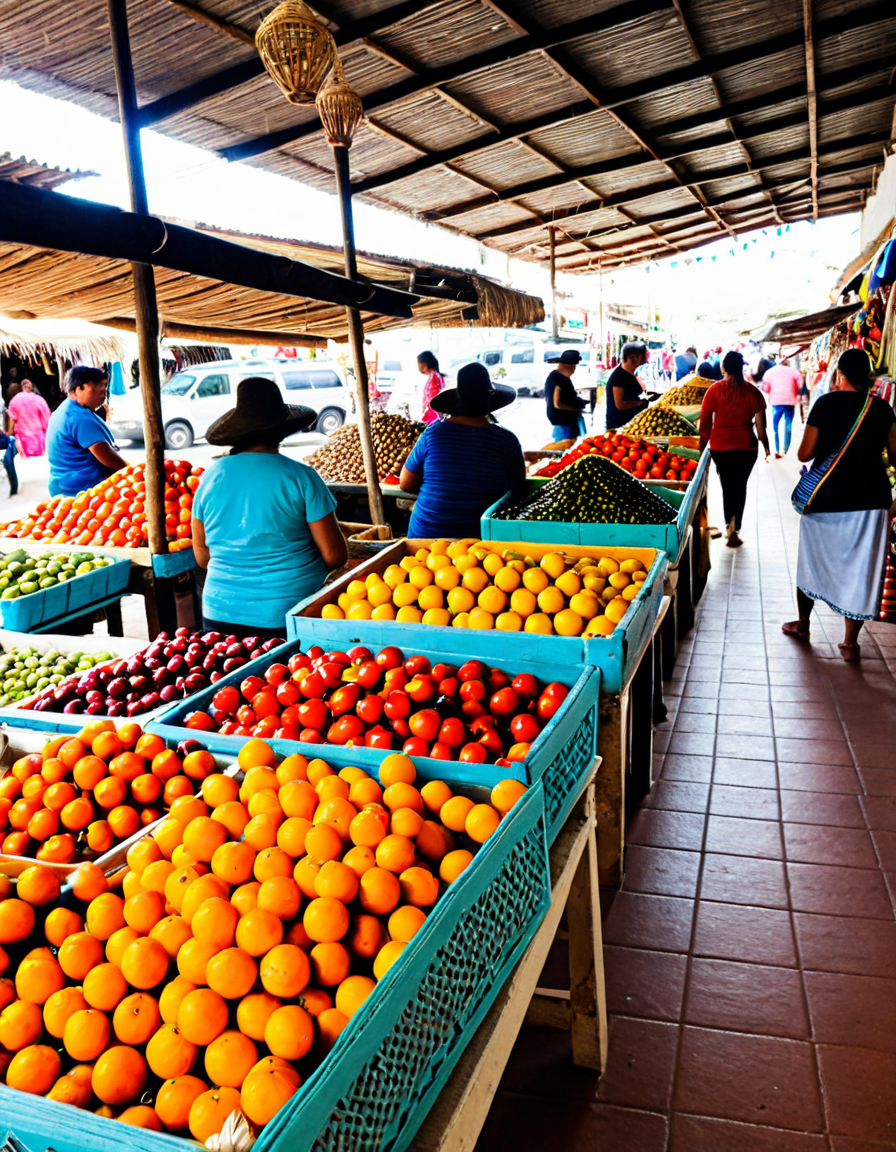
Rivers such as the Rio Grande and the Colorado River are not just lines on a map; they are lifelines that nurture the lands and people of el norte. These waterways facilitate more than just trade; they enable cultural exchanges that create a shared history across borders. Communities that grew along these rivers often share similar stories and traditions that resonate deeply within their cultural identities.
The Rio Grande, in particular, serves as a natural boundary between the U.S. and Mexico but has historically been a bridge rather than a wall. It has fostered cross-cultural dialogues, allowing traditions and customs to flow freely. Major cities like El Paso in Texas and Ciudad Juárez in Mexico showcase vibrant cultures that have evolved alongside these rivers, shaped by centuries of interactions.
Moreover, the historical narratives linked to los rios are rife with tales of resilience. From indigenous populations relying on these waters for sustenance to modern enterprises that capitalize on their diverse resources, the rivers are at the forefront of life in el norte. Through the lens of these waterways, the importance of safeguarding our natural resources becomes paramount to sustaining the cultural fabric of the region.
2. El Mayo: Celebrations of Heritage
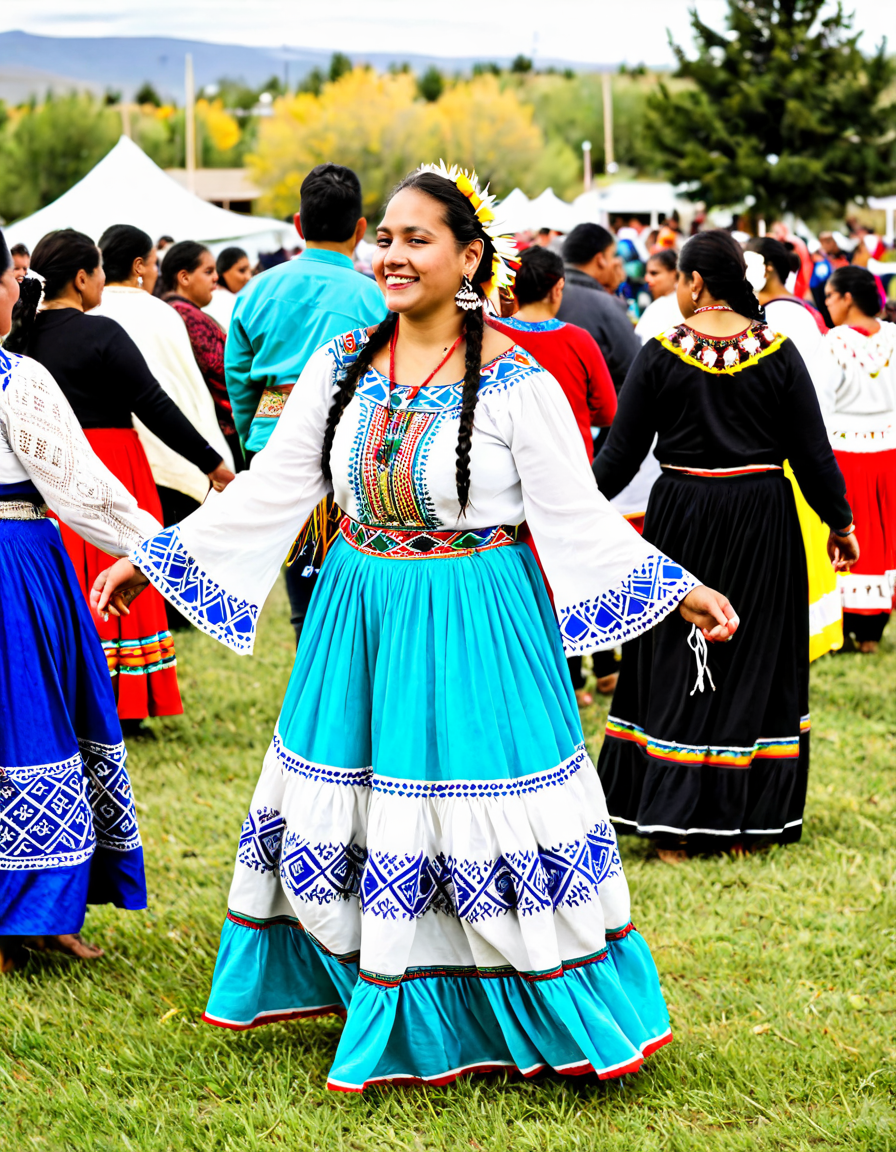
When we talk about el mayo, we’re diving into a sea of celebration that captures the heart of many communities in northern Mexico. This annual festival, especially prominent in regions like Sinaloa and Sonora, symbolizes the agricultural cycle’s arrival and is steeped in rituals that date back generations. The festival merges indigenous customs with contemporary practices, creating a rich experience that connects people to their roots.
During el mayo, vibrant parades erupt with traditional dances, folk music, and joyous gatherings, serving as a reminder of the shared heritage and cultural pride. The mariachi music resonates through the air, marking significant moments of togetherness and celebration. People from all walks of life come together, dancing and sharing stories that thread them closer to their cultural identity.
Moreover, these festivities are crucial for the younger generations, as they learn to appreciate their heritage while embracing modern interpretations. The beautiful melding of the old and new during el mayo serves as a cultural anchor, helping communities to maintain their unique identities while adapting to the changing world around them.
3. Artistry and Innovation: el norte in Modern Art
Artists in el norte today are redefining cultural dialogues through innovative works that reflect their lived experiences. Figures like Carlos Almaraz and Judithe Hernandez, with their poignant representations of migration and identity, use their art to bridge the gap between past and present. Their works often provoke discussions about cultural tensions and the journey of becoming, each stroke revealing deeper narratives.
Art galleries and public installations have emerged as significant venues for showcasing these contemporary artists. For instance, public murals in both urban centers like Los Angeles and more rural towns celebrate the multifaceted identities found in el norte. These artworks are not just about aesthetics; they challenge viewers to question societal norms and reflect on the experiences that shape individual and collective identities.
Moreover, modern art initiatives foster community engagement by encouraging youth to express themselves creatively. Workshops and collaborations with local schools position art as a means to honor cultural heritage while allowing for personal expression. This dynamic interplay of art and community underlines how deeply intertwined the narratives of el norte are with its cultural identity.
4. Culinary Landscapes: The Fusion of Flavors
The culinary arts in el norte paint a delectable picture of cultural richness. Regional specialties like Sonoran hot dogs and border-style tacos are more than food; they are cultural emblems that embody the blend of flavors from diverse culinary traditions. Restaurants such as Los Dos Molinos in New Mexico and El Pato in Arizona celebrate this fusion, bridging traditional techniques with local ingredients.
The Sonoran hot dog, wrapped in bacon and topped with an array of vibrant toppings, exemplifies the creativity that arises from cultural interactions. It reflects the integration of Mexican flavors into American dining, highlighting how food serves as a form of storytelling. Each bite tells tales of migration, adaptation, and community.
Additionally, the rise of food markets and pop-up dining experiences showcases el norte’s ability to innovate culinary traditions while keeping them authentic. Chefs are continually pushing boundaries, collaborating, and experimenting with local staples, ensuring that the rich flavors of el norte remain both rooted in tradition and excitingly forward-thinking.
5. Literary Voices of el norte: Storytelling Through Generations
Literature is another powerful medium where el norte shines through. Authors like Sandra Cisneros and Luis Alberto Urrea have captured the essence of life along the border, delving into themes of identity, migration, and cultural struggle. Their work resonates with both local and global audiences, reflecting experiences that traverse beyond mere geography.
Cisneros’ “The House on Mango Street” paints a portrait of the Chicano experience, bringing forth the nuances of growing up in a bilingual world. Similarly, Urrea’s narratives spotlight the complex realities faced by those who cross borders in search of a better life. Each author, through their evocative storytelling, brings el norte to life on the page.
Moreover, literary festivals have emerged as significant platforms to celebrate voices from el norte, allowing writers to share their stories and connect with their communities. By facilitating discussions about literature and cultural identity, these gatherings play a crucial role in preserving the rich oral traditions that define the region.
6. The Universal Connection: el norte’s Impact on Global Culture
El norte is not just influential within its own borders; its cultural practices have reverberated around the world. The rise in popularity of corridos, a musical genre embodying storytelling and social commentary, has crossed national boundaries. Artists like Selena and Los Tigres del Norte have brought el norte’s spirit into the global music scene, showcasing the universal themes present in their work.
Through their music, these artists articulate experiences that resonate across cultures, exploring issues from love and loss to social injustice. The rhythmic beats and heartfelt lyrics of corridos serve to connect listeners from diverse backgrounds, making it a powerful form of cultural exchange.
Moreover, the globalization of Latino culture in all forms of media—fashion, food, and music—has facilitated a vibrant marketplace of ideas. The fusion of different cultural elements creates a dynamic narrative that celebrates diversity, pushing forward the universality of el norte’s narratives and its impact on global trends.
7. Challenges and Resilience: Navigating Modern Complexities
Despite the richness of cultures found in el norte, it faces significant modern challenges. Issues of immigration, economic disparity, and environmental concerns loom large, often impacting the very identity that the region celebrates. Grassroots organizations like the Coalition for Humane Immigrant Rights (CHIRLA) are working tirelessly to address these challenges, aiding communities in navigating the complexities of modern life.
The voice of resilience echoes throughout el norte’s communities. Individuals and groups are engaging in conversations about identity, legal rights, and social justice, aiming to preserve their cultural heritage while fighting for a better future. Community activism emerges as a vital force, emphasizing the importance of collective efforts in preserving the region’s socioeconomic fabric.
Moreover, environmental sustainability has become a pressing concern. Communities in el norte are learning to balance growth and cultural preservation, advocating for practices that protect their natural surroundings. This collective resilience embodies the spirit of el norte, a testament to their commitment to cultural richness in the face of adversity.
The Cultural Richness of el norte: Perspectives and Pathways
As we reflect on the intricate cultural tapestry of el norte, it becomes evident that this region embodies a complex interplay of tradition and modernity. The rivers that flow through these lands are not merely geographical features; they are lifelines that historically anchored communities. The mayo celebrations are not just festivals; they represent a deep-rooted respect for heritage that continues to evolve with the times.
From the canvas of modern artists to the aroma of a simmering taco, el norte’s cultural richness is a dynamic force that continues to shape identities and influence global dialogues. By cherishing shared narratives through literature, art, and food, we foster a deeper understanding and appreciation of the multitude of interconnected stories that define el norte today.
Thus, as we traverse this extraordinary journey to cultural richness, we are reminded that the essence of el norte lies not just in its vibrant traditions but in the resilience and creativity of its people, striving for recognition in a world that values diversity and interconnectivity.
Fun Trivia and Interesting Facts About el norte
The Essence of el norte
Did you know that “el norte” has been a vital cultural force, shaping the lives of countless individuals? This term, translating to “the north,” often refers to the journey many take towards better opportunities—especially for those crossing borders in search of a brighter future. For instance, the contrast between states like Iowa Vs Northwestern illustrates not just sports rivalries, but the geographical and cultural divides that play a role in the narratives of many families. These stories bring a depth to the concept of el norte, making it relatable to so many.
Culinary Bonanza and Everyday Innovations
When it comes to the culinary favorites found in regions influenced by el norte, you might be surprised by how much variety exists. It’s akin to the joy of having a nugget ice maker at your next gathering—everyone loves those chewy ice nuggets! Similarly, el norte is all about blending flavors and traditions. While munching on tasty street tacos, one might think about cultural icons, such as football star Jonah Heim, whose story reflects the diverse backgrounds thriving in these areas.
Contemporary Cultural References and Inspirations
The journey of el norte is not confined to stories of migration. It’s woven into pop culture, too! For example, if you’re looking for a good laugh and want to see cultural exchanges at work, check out the show Kickin’ It. It’s an entertaining nod to how varied experiences contribute to a diverse cultural tapestry. Oh, and have you heard of Julia Ertz? This soccer star brings an inspiring drive reflective of the el norte spirit, proving that determination knows no borders.
In a surprising twist of fate, even medical attorneys have mentioned the significance of community support in their practices, showcasing the importance of advocacy in the lives influenced by el norte. All these layered references highlight that the journey to cultural richness is a mosaic made up of numerous stories and experiences that continue to evolve.