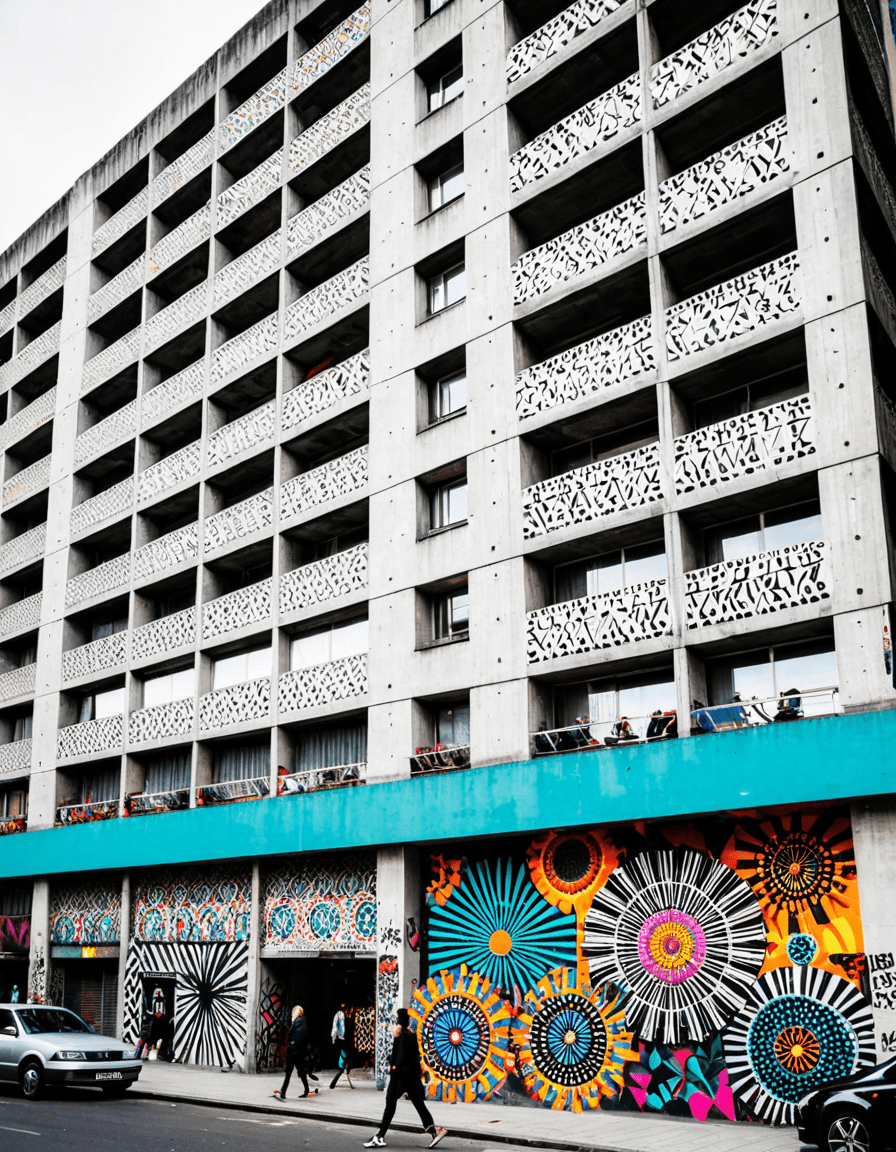


Brutalist architecture has sparked both admiration and disdain since its emergence in the mid-20th century. Characterized by its stark, rugged forms and the raw aesthetic of concrete, brutalist structures boldly defy the norms of conventional design. They stand as testaments to a time when architects prioritized function over form, often reflecting the mercurial mentality of society. The boldness of brutalism embodies not just a design ethos; it mirrors the complexities of human emotion and institutional priorities.
As we journey through the evolving narrative of brutalist architecture, we’ll highlight seven iconic examples that capture the essence of this revolutionary movement. Each structure tells a story of resilience, innovation, and a break from tradition, displaying the distinctive traits that brutalism is known for.

7 Iconic Examples of Brutalist Architecture Boldly Defying Conventional Design
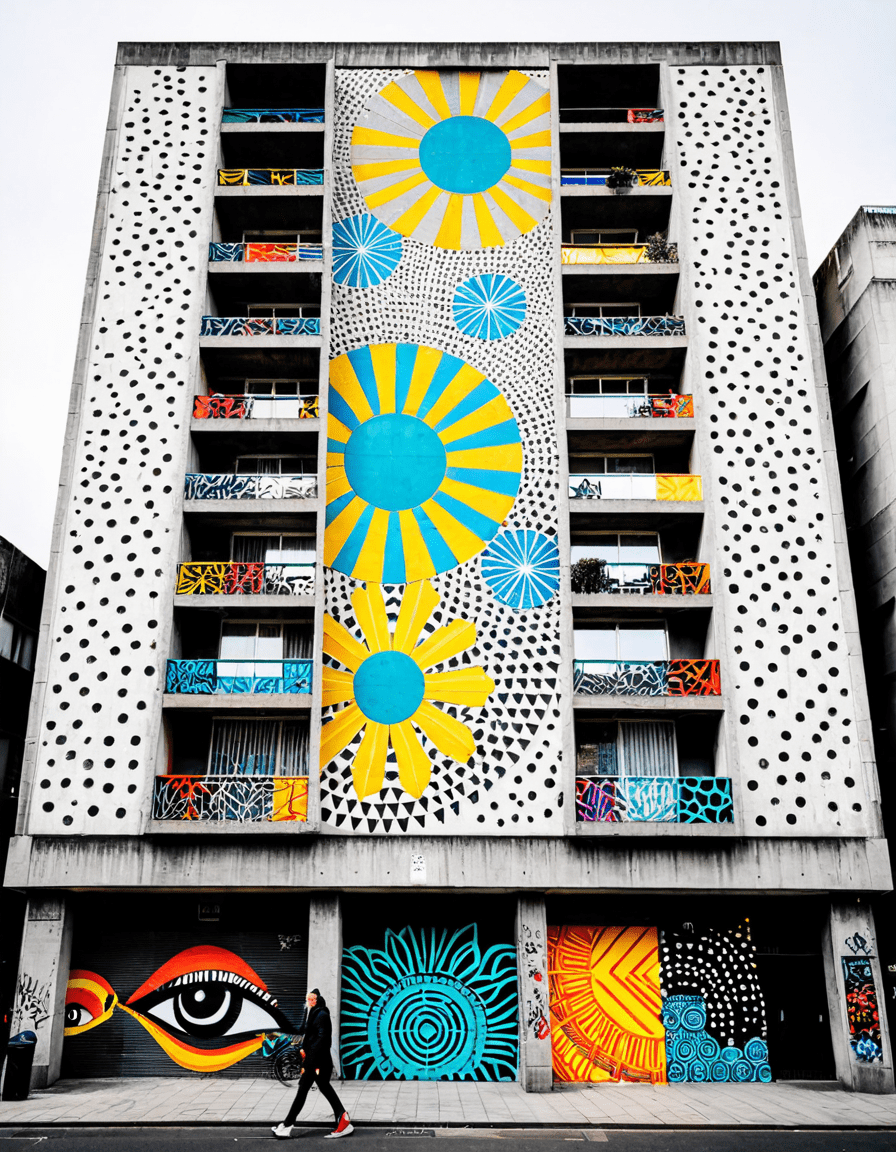
The Institutional Impact of Brutalist Ideals
Brutalism emerged in an era marked by significant social and political upheavals. Architects sought to respond to the ever-present shifts in public sentiment by prioritizing function over ornamentation. With its emphasis on concrete and utilitarian design, the brutalist movement sought to embrace the challenges of the industrial revolution while tackling modern urbanism’s pressing issues.
This architectural approach, distinguished by a commitment to truth in materials, has led to a polarized reception. On one hand, supporters celebrate the authenticity of brutalist structures for their starkness and strength. Conversely, critics argue that they emit an oppressive atmosphere, reinforcing a cold and institutionalized reality that may alienate community members.
In today’s landscape, the brutalist mentality invites a closer examination of the balance between institutional reliability and community-centered spaces. As architects reflect on this duality, there’s a growing understanding that the scars of brutalism can be healed through thoughtful adaptations, creating spaces that engage rather than intimidate, thus navigating the impasse between past sentiments and contemporary needs.
Revisiting Brutalism in Contemporary Culture
As we look forward into 2026, brutalist structures continue to inspire architects and urban planners. This movement has re-ignited discussions about urban identity, sustainability, and the importance of communal spaces. Many contemporary designers are experimenting with ways to incorporate color, greenery, and interactive design elements into the brutalist framework, counteracting historical perceptions of isolation and harshness.
A noteworthy case is the recent renovation of the Yale Art and Architecture Building, designed by Paul Rudolph. Carefully crafted refurbishment strategies have aimed to transform its intimidating features into warm, welcoming environments, illustrating how the past can inform modern utility and engagement environments.
Communities are beginning to embrace the lessons gleaned from brutalist architecture, recognizing the significance of adaptability and resilience in our changing environments. The revival of interest in brutalist design compels a vital dialogue around health, access, and inclusivity—especially in the wake of concerns like the change healthcare breach, which highlighted various shortcomings in access to services and support.
As we contemplate the future, institutions that once epitomized rigid forms are now being challenged by a new generation of architects. These designers aspire to bridge the rich heritage of brutalism with contemporary ethics, showcasing that architecture doesn’t merely reflect the past but evolves to meet future aspirations. Ultimately, brutalism embodies a mindset of continuous evolution, revealing the intricate dance between the past and prospects of a better tomorrow.
In this light, the legacy of brutalist architecture promises not just a visual impact but also invites us to engage deeply with the emotional and institutional narratives woven into the built environment.
Exploring Brutalist Architecture: Fun Facts and Trivia
A Bold Design Choice
Brutalist architecture isn’t just a style; it’s a statement. It emerged in the mid-20th century with a focus on raw concrete and geometric shapes. This bold choice of materials often sparks conversations about its aesthetic appeal. Interestingly, some people love it while others hate it, much like how cyclone Vs hurricane brings out passionate discussions between weather enthusiasts. One classic example of this architectural style is Taylor Hall, known for its strikingly rugged appearance, showcasing the raw aspects of Brutalism.
Uncommon Inspirations
What’s fascinating is how psychology and environment greatly influence Brutalist designs. The stark, fortress-like structures often reflect a desire for transparency and functionality, a concept that’s also seen in social movements. Some Brutalist buildings harbor unexpected features, like those you’d find while watching animated films such as the “Wreck-It Ralph characters” that represent various personalities. In a way, these buildings tell stories through their designs, just like films convey messages and themes.
Nature Meets Concrete
It’s wild to think that nature’s patterns can inspire Brutalist designs as well. Just as nature’s beauty can have its raw edge, the forms and lines found in architecture can feel just as organic. A striking example is the usage of materials reminiscent of “Nature’s Sunshine,” which contrasts harmoniously with the hard edges of concrete structures. Moreover, state-of-the-art innovations in construction techniques create opportunities for buildings to push the boundaries of design, almost like the advancements in hypersonic travel changing the aviation game entirely.
In a playful twist, the design journey can sometimes take you to educational institutions that embrace the style, like Nichols College, where students can engage with and reflect on their learning environment. And let’s not forget, artists like Terry O’Quinn often find inspiration in Brutalist structures, underlining how they resonate in popular culture. So, whether you’re cheekily trying to convince a friend to check out licorice pizza or you’re just scratching the surface of Brutalist architecture, keep in mind that this style continues to challenge and inspire in ways that are endlessly fascinating.