


Manuel Noriega’s sinister journey from military leader to drug lord stands as a cautionary tale of power, corruption, and betrayal. Born in 1934 in Panama City, Noriega’s early life was less than glamorous; he grew up in a humble family amid political unrest. As he joined the Panama National Guard, he began to climb the ranks, ultimately serving as a key officer under General Omar Torrijos. However, it was during the late 1970s when Noriega’s shadowy dealings in drug trafficking took root, driven by lucrative partnerships with powerful drug cartels, particularly the Cali Cartel and the infamous Medellín Cartel.
By the 1980s, Noriega had transformed into a notorious figure, both in Panama and worldwide. His connections with the Medellín Cartel, spearheaded by the dangerous Pablo Escobar, allowed him to leverage Panama as a key transit point for cocaine destined for the United States. When it comes to drug trade dynamics, few figures symbolized the dark underbelly of globalization like Noriega. His rise to power wasn’t merely about military might; it was shaped by a web of cunning alliances, extensive corruption, and a relentless pursuit of wealth.
However, Noriega’s world was populated not just by allies; he also faced significant opposition as rivals emerged. Notably, Luis Elizondo, a military comrade turned whistleblower, played a crucial role in unveiling Noriega’s operations. Elizondo’s intelligence put him in a unique position, allowing him to witness the inner workings of Noriega’s empire firsthand. This personal relationship turned sour, leading to Elizondo’s pivotal decision to come forward with evidence that would eventually contribute to Noriega’s undoing. Their story underscores the essential dynamic of trust and betrayal in power struggles, demonstrating that even the most influential figures can have their foundations shaken by former allies.
Key Figures in Noriega’s Narrative: Luis Elizondo and Beyond
Elizondo wasn’t the only significant character in Noriega’s tale. The environment surrounding Noriega drew in a cadre of influential figures, some serving to fortify his position while others plotted his downfall. The loyalties within the military and government often shifted, resulting in a cocktail of betrayal and intrigue. With figures like Miguel Cabrera, a fellow military officer, the question arose: who would side with Noriega and who would eventually turn against him?
As the net tightened around him, the importance of insiders like Elizondo became glaringly evident. Whistleblowers emerged as key players in presenting the United States with undeniable evidence of Noriega’s drug-related activities. These betrayers risked their lives, navigating a treacherous path filled with threats and intrigue. Despite the danger, their revelations sparked international attention and condemnation, making it increasingly difficult for Noriega to maintain his grip on power.
The relationships within Noriega’s inner circle reveal a complex tapestry where loyalty was often for sale. Every interaction could tip the balance between support and betrayal, painting a vivid picture of a man desperate to cling to authority in a world rife with pitfalls. As one evaluates Noriega’s rise, it’s vital to examine how his relationships contributed to both his power and eventual downfall, exposing layers of deceit that often accompany the pursuit of control.
The Impacts of Noriega’s Drug Trade: A National and Global Scale
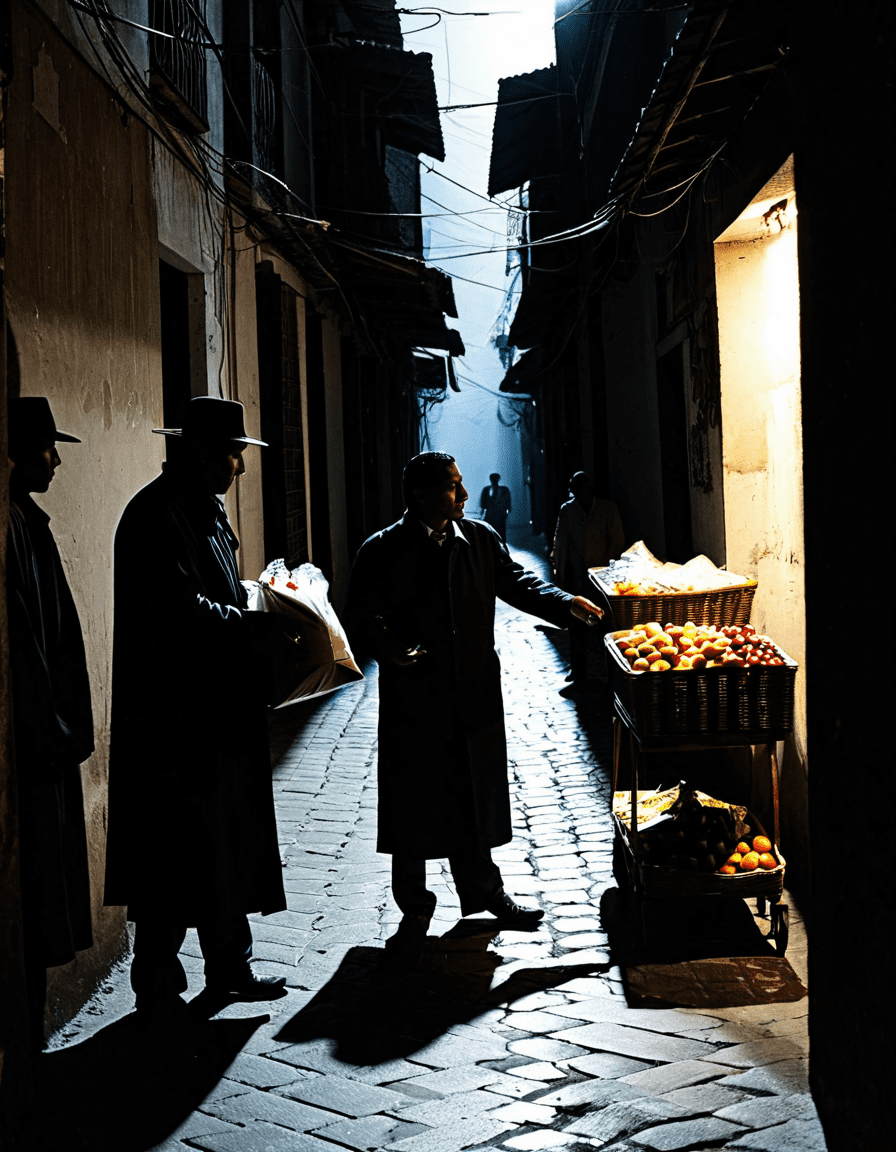
Noriega’s drug trade left indelible marks not only on Panama but also on the broader global socio-economic landscape. The rampant violence and instability in Colombia serve as important case studies highlighting the fallout from Noriega’s alliances with powerful drug cartels. As cocaine operations flourished under his watch, Colombian cities experienced skyrocketing crime rates, transforming once-vibrant communities into battlegrounds. Refugees fleeing violence began to flood into the United States, creating a humanitarian crisis that rippled through neighboring regions.
The chaos bred by Noriega’s drug enterprise didn’t stop at borders. As the influx of narcotics flowed towards the U.S., Central American governments faced crippling corruption, undermining their political structures and leading to destabilization. The impacts of Noriega’s imperious nature created a domino effect, culminating in a region fraught with violence and political turmoil. This upheaval also fueled a cycle of poverty, pushing disenfranchised individuals into the drug trade as a desperate means of survival.
Noriega’s legacy in the drug trade serves as a critical reminder that the consequences of illicit activities don’t solely rest on one individual. Every deal made in the dead of night, every alliance forged behind closed doors, reverberated throughout communities and countries, leading to societal fractures that still exist today. Understanding the socio-economic turmoil provoked by Noriega helps illuminate the broader implications of unchecked power and crime in the international arena.
Legal Troubles and Escalating Conflicts: Noriega’s Downfall
Noriega’s downfall was precipitated by an avalanche of legal troubles that culminated in a dramatic U.S. invasion of Panama in 1989. As the U.S. government amassed mountains of evidence regarding his criminal activities—drug trafficking, money laundering, and connections to organized crime—Noriega’s once-unassailable stronghold began to crumble. In an attempt to maintain a façade of control, he severely underestimated American resolve and the complexity of international cooperation aimed at combating drug trafficking.
The U.S. invasion, codenamed Operation Just Cause, was a turning point in Noriega’s life. Utilizing overwhelming force, American military objectives included the capture of Noriega, who had sought refuge in the Vatican’s embassy. Noriega’s legal troubles escalated further during his trial in the U.S., where he faced numerous charges that underscored the extent of his criminal activities. His strategies of deception and manipulation, once carefully orchestrated, finally unraveled under the spotlight of American law.
As the courtroom drama unfolded, the gravity of Noriega’s miscalculations became apparent. Had he understood the stakes involved, he might have avoided confrontation with a powerful adversary eager to dismantle his empire. The legal tribulations surrounding Noriega illustrate how power can lead to hubris, ultimately guiding him towards a fate he’d tried to escape.
The Mysterious Connection to Cain Velasquez
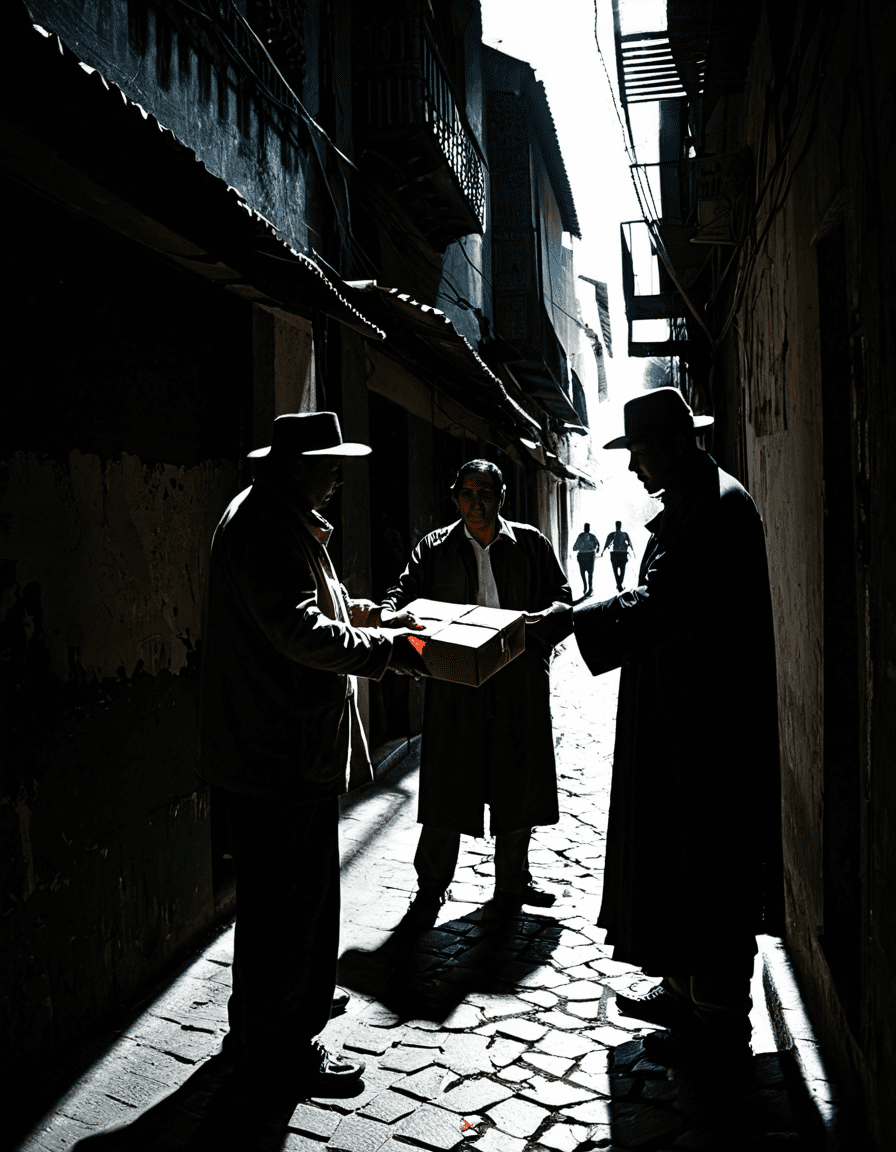
Further complicating the narrative around Noriega is the lesser-known connection to contemporary sports figures like Cain Velasquez. This association allows us to explore the broader ramifications of crime, fame, and the fine line that often separates them. As Velasquez faced his own legal battles regarding his controversial actions, the intersections with Noriega’s past provoke questions about how society views athletes entangled in seedy histories tied to illegitimate activities.
The discussions surrounding athletes grappling with their legacy evoke themes present in Noriega’s life. While Noriega is largely remembered for corrupt practices and brutality, athletes like Velasquez remind us that fame often casts a long shadow. Observers must confront the duality of heroism and infamy that can arise when a celebrated figure falls from grace, echoing the controversial paths that have led them to success.
These connections challenge us to reconsider our perceptions of celebrity and morality. In an age where the narratives of sports figures intertwine with law and order, the gripping stories of men like Noriega and Velasquez present an opportunity to unravel the complexities of ambition, integrity, and the personal choices that define both legacies.
The Lasting Legacy of Noriega: A Cautionary Tale
Manuel Noriega’s tumultuous life and infamous reign over Panama offer valuable lessons, particularly in today’s discussions surrounding drug policy reform in the Americas. Even years after his death, his influence can still be detected in how governance in the region functions. The legacy left behind is a stark reminder of the perils of unchecked power and rampant corruption that can seep into the very fabric of society.
Statistics indicate that despite international efforts, drug trafficking remains a critical issue in Latin America. The intricate networks established during Noriega’s time continue to evolve, reflecting ongoing battles with drug-related violence. Public sentiment toward law enforcement remains fraught with skepticism, as citizens grapple with the cumulative weight of corruption and crime that plagued Noriega’s tenure.
Noriega serves as a cautionary figure for those in power, illustrating the cyclical nature of corruption and the need for vigilance. His story is etched into the annals of history, reminding us that the propensity for power can lead to devastating consequences, not only for individuals but also for entire nations. It underscores the ongoing necessity to confront organized crime and the myriad of challenges that accompany it.
Reassessing Noriega’s Infamy: Lessons for the Future
Reflecting on Noriega’s life provides a dense portrait of corruption, power dynamics, and the ever-insistent fight against organized crime. As modern societies continue to grapple with the drug cartels that emerged in the late 20th century, the narrative around Noriega remains incredibly relevant. The lessons drawn from his rise and inevitable fall can serve as a guide for policymakers and communities aiming to tackle the complexities of drug trafficking today.
As we witness collaboration between governments worldwide to combat drug cartels, the story of Noriega stands as an urgent reminder of why teamwork matters in this fight. His legacy embodies both a historical account and a call to action, illustrating that unchecked power can have dire consequences for societies and individuals alike.
In the end, we must learn from the missteps of figures like Noriega and forge pathways towards reform, emphasizing adherence to justice and fairness. His tale transcends borders, becoming a critical component of the ongoing dialogue around governance, legality, and the ceaseless battle against organized crime.
Noriega: The Notorious Drug Lord and His Downfall
A Life of Intrigue and Power
Manuel Noriega’s rise to power is sewn into the fabric of Panama’s history—the life of this drug lord is nothing short of cinematic. Before he became infamous for his ties to drug trafficking and money laundering, Noriega was a military officer with connections to the U.S. intelligence community during the Cold War. It’s almost like a plot twist from a horror film, reminiscent of the eerie atmosphere in House Of Wax where nothing is quite what it seems. It’s curious how someone could shift from being an ally to a high-profile enemy overnight. All the while, he was pulling strings and making deals that would ultimately lead to his downfall.
Speaking of intriguing figures, the Menendez brothers, famously known for their sensational trial, captivate audiences. The sensationalism surrounding Noriega’s escapades was similarly tinged with dramatic flair. Reports of Noriega’s abundant lifestyle, from luxury homes to lavish parties, painted a vivid picture of a man who chased power relentlessly, much like the competitive spirit found in collegiate sports, including the recent success of Sjsu volleyball and Smu basketball. Both worlds, though vastly different, share a trait of aggressive ambition.
The Clutch Moment
In a twist that would make for a compelling movie scene, one of Noriega’s dramatic moments came in 1989 when the U.S. launched “Operation Just Cause.” The ensuing military intervention, aimed at capturing him, was just as controversial as some banned Videos that spark debates today. Noriega couldn’t hide forever, but in the chaos surrounding his capture, one thing became clear: he had mastered the game of manipulation, somewhat akin to using a monopoly go free dice hack to get ahead in board games. Ultimately, his reign unraveled, leading to a lengthy prison sentence that echoed through the years like a haunting memory.
As Noriega’s story concludes, it’s clear that even the most formidable figures can fall. His story serves as a cautionary tale about the seductive allure of power. It leaves us pondering the question: What does it take to stay on top in a world continuously shifting under one’s feet? Finding parallels in tech geekery, gadgets, and gadgets like the Poco f5 could highlight how change is constant. Noriega’s life reminds us that no matter how well you plan, the surprises of life can change everything in the blink of an eye—just like a twist ending that leaves you guessing long after the credits roll.
