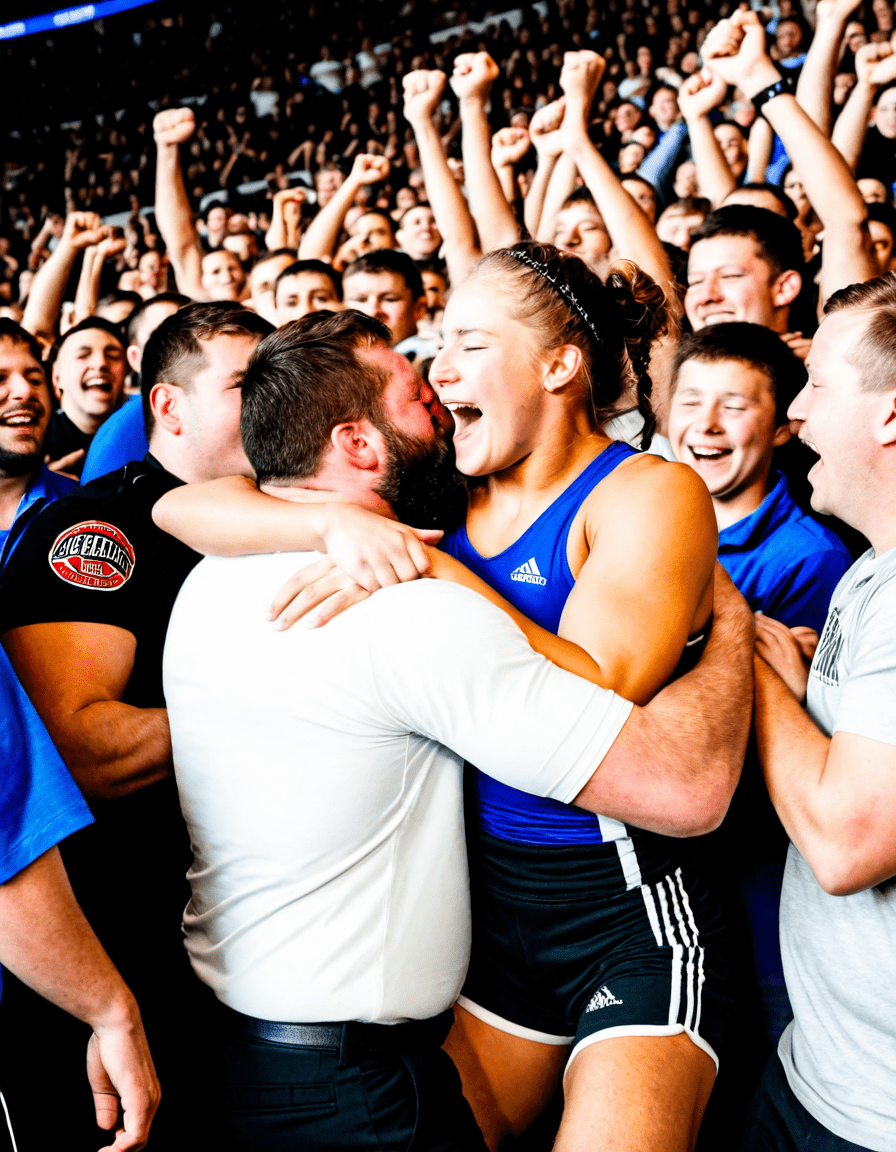


Headlocks—seemingly straightforward grappling tactics—boast a fascinating history intertwined with various martial arts forms. This humble hold has evolved from ancient practices into a core technique in wrestling, Brazilian jiu-jitsu, and mixed martial arts (MMA). Grappling fans and practitioners alike understand the power a well-executed headlock holds. In this article, we’ll explore the storied past of headlock techniques, examine the five top variations you can master, delve into their effectiveness in competitive sports and self-defense, and highlight their surprising applications in team sports.
Unveiling the Headlock: A Historical Perspective
The headlock isn’t just some random move seen in today’s wrestling ring; it has deep roots. It traces back to traditional Japanese jiu-jitsu, where practitioners utilized joint locks and holds to gain an advantage in combat. Influential figures, like Helio Gracie, revolutionized these techniques, particularly in Brazilian jiu-jitsu. Gracie brought the headlock into the spotlight, showcasing its effectiveness during competitions and self-defense scenarios.
As grappling developed through the years, the headlock adapted and shifted across cultures. From classic wrestling matches to MMA bouts, fighters incorporate the headlock uniquely. This adaptability reflects the creativity and resourcefulness of athletes, as they continually refine their techniques to suit their styles and strategies. The headlock, therefore, embodies the intersection of history and contemporary martial arts.
As we dive deeper into headlocks, we see their significance widen within fighting disciplines, reflecting not just physical exertion but also psychological tactics. The importance of mastering headlocks lies in their versatility, making them invaluable tools in the arsenal of any martial artist.

Top 5 Headlock Techniques to Master
The classic headlock serves as the bedrock for grappling mastery. To execute it, wrap one arm around your opponent’s neck while your other hand controls their body. There are variations, like the standing headlock for takedowns or the ground version used by wrestlers such as Brock Lesnar. This fundamental move teaches balance, control, and leverage, making it essential for every aspiring grappler.
Quite unconventional, the plastic bag headlock resembles wrapping an opponent’s head, akin to a suffocating plastic bag. Often seen in self-defense scenarios, this technique effectively incapacitates an aggressor with minimal injury. While it may appear crude, its pragmatism in street fighting demonstrates how adaptability can make even simple techniques highly effective.
This headlock adds a splash of whimsy to its execution. Popularized in comedic wrestling segments, this playful technique offers a unique way to engage the audience while subduing an opponent. WWE’s R-Truth often employs theatrical maneuvers, showing that even headlocks can entertain while remaining functional.
This dynamic headlock integrates high-energy movement, known for its quickness and agility. Practitioners use momentum to propel their opponent, enabling a controlled fall. Emerging from the fast-paced environment of MMA, this headlock emphasizes agility and response, making it a game changer when executed correctly.
Training can often benefit from illustrative techniques. Employing props like a life-sized, 12-foot skeleton can help visualize moves, ensuring proper posture and angles during training. By demonstrating different techniques on this human-like figure, trainers across the globe illustrate core principles of the headlock to aspiring fighters.
Analyzing Headlock Efficacy in Competitive Sports
The headlock transforms from a mere wrestling move to a powerful competitive tool. In a thrilling analysis of UFC Fight Night data, fighters who utilize headlocks score higher in grappling exchanges. Understanding the mechanics behind leverage, timing, and strategy proves crucial. Experts such as Olympic wrestler Jordan Burroughs highlight the importance of mental acuity over sheer muscle power.
Headlock tactics not only support offensive moves but also bolster defensive strategies. Tackling an opponent into a headlock can shift the momentum in a match. As you develop your skills, recognizing the potential of the headlock in grappling exchanges adds a layer of depth to your game.
Additionally, tapping into comparative strategies enhances headlock efficacy. By examining techniques from freestyle wrestling to Brazilian jiu-jitsu, athletes can integrate the headlock into diverse scenarios, maximizing versatility during competitions.

The Lenient Nature of Headlock Techniques in Self-Defense
Remarkably, headlocks don’t just thrive in competitive settings; they also shine in self-defense scenarios. A lenient approach allows individuals to handle aggressive situations without causing serious harm. This capability proves especially valuable for those worried about escalating confrontations.
Instructors like Teri Ann focus on employing headlock techniques in self-defense workshops. They emphasize the importance of controlling an attacker while minimizing serious injury, providing students with confidence in their ability to handle threats effectively. Such workshops illustrate how these techniques adapt to real-world situations, empowering individuals.
The headlock’s versatility is its strength—providing options beyond brute force. In situations where self-defense is necessary, utilizing a well-executed headlock allows for effective control without excessive aggression.
Modern Application and Integration of Headlock Techniques in Team Sports
Excitingly, headlock principles resonate far beyond the wrestling mat, penetrating various team sports. Rugby players, for example, often execute tackles that embody the core concepts of headlock techniques. Renowned teams like the New Zealand All Blacks incorporate these principles into their game strategy.
Players demonstrate how control and leverage apply to both contact sports and individual combat disciplines. Understanding how headlocks relate to team sports not only broadens techniques but also enhances cooperation within a team setting. Players learn to navigate tackles and engages, bringing an element of tactical ingenuity to the field.
Moreover, as athletes seek to polish their skills, learning from headlock applications across different sports fosters versatility—one technique opens doors to another. The integration of headlocks in this setting showcases their importance well beyond individual grappling.
Expanding Perspectives on an Underappreciated Technique
The headlock embodies a versatile, historical, and modern technique, bridging traditional grappling with contemporary applications. As we explore headlocks, we uncover vital intersections between combat sports, self-defense, and team dynamics. The versatility seen in these techniques encapsulates the continuous flow of innovation and creativity throughout martial arts.
Exploring the captivating evolution of headlocks reveals much about adaptability and efficacy. Moving away from traditional confines, the future of headlock techniques shines brightly. With innovative integration, headlocks will undoubtedly find new life and relevance in emerging sports and fighting disciplines.
In the end, each headlock variation, whether it’s the plastic bag or clown costume version, amplifies the technique’s uniqueness. As we delve deeper into these intricacies, the headlock will remain an essential aspect of wrestling that continues to intrigue and inspire martial artists across the globe.
Headlock Techniques That Will Blow Your Mind
Unraveling the Headlock Background
Did you know that the headlock has origins in ancient wrestling styles, famously used in various combat sports? This technique isn’t just functional; it’s been a staple in movies and pop culture, much like the eerie charm of Dolls that can creep out or captivate us. Just as filmmakers like to play with cinematic techniques, wrestlers finesse their headlock approaches for maximum effectiveness. Whether in action-packed movies or gripping TV dramas, these dynamic moves keep audiences on edge.
Famous Faces and the Headlock
Speaking of captivating performances, did you ever notice Michael Fassbender’s characters often wield a headlock or two during tense moments? This compelling actor, featured in a variety of Michael Fassbender Movies And TV Shows, brings a physicality to his roles that sometimes mirrors the grip and control of a well-executed headlock. Fun fact: while showcasing a headlock, a wrestler displays not just strength, but also strategic thinking. Just like the fascinating dynamics of a film like Jojo Rabbit, where characters must navigate tricky situations, so too do wrestlers when employing their moves.
The Headlock and the Modern World
In today’s world, even athletes embrace the headlock in various sports or self-defense scenarios, leading to social intrigue, sometimes even unfortunate events like the Philadelphia shooting that remind us of the importance of safety. However, on a lighter note, the headlock has a strong cultural presence, drawing parallels with iconic characters like those from the series Queen Of Swords, showcasing their grit and quick thinking in tough situations. Headlocks offer a reminder that strength and wit aren’t just for the ring—they’re part of the fabric of our very storytelling.
With insights into star athletes like Sam Bennett, who’s made headlines for various reasons, including his impressive moves on the field—much like a well-timed headlock—we find links between wrestling techniques and broader narratives in sports and entertainment. And finally, while more serious topics arise, such as the speculation surrounding figures like Dwight Howard’s sexuality Dwight howard gay), it’s clear that the headlock is just one of many symbolic gestures representing power and dominance in both sports and media. As we explore these connections, we can’t help but appreciate how techniques—both physical and narrative—echo through our culture like the distant sound of a pipe bomb in dramatic storytelling.