


The white buffalo holds an exceptional place in the hearts and beliefs of many Indigenous cultures, particularly among North American tribes. This mystical creature is far more than a rare animal; it’s a symbol of hope, renewal, and a deep connection between the Earth and the spirit world. Its significance transcends generations, reflecting the spiritual narratives and cultural practices that have persisted for centuries. In this article, we’ll explore the profound importance of the white buffalo, intriguing sightings throughout history, its role as a cultural icon, environmental considerations, and contemporary challenges surrounding its significance.
The Spiritual Importance of the White Buffalo in Indigenous Cultures
To understand the allure of the white buffalo, one must first peek into its spiritual essence. For Indigenous peoples, especially the Lakota Nation, the white buffalo embodies the sacred bond between humanity and nature. It acts as a bridge connecting the physical and spiritual realms. The arrival of a white buffalo is a monumental event, often interpreted as a herald of peace and healing. Tradition says that when the white buffalo comes, it’s a time to gather, reflect, and rejuvenate community ties.
Central to the Lakota belief is the legend of White Buffalo Woman, a figure of reverence who brought sacred teachings and the ceremonial pipe, symbolizing unity and peace. Her story emphasizes the importance of living in harmony with nature and each other. When the white buffalo is born, it is seen as a reincarnation of her spirit, rejuvenating the tribe’s cultural strengths. Rituals and prayers often accompany these sightings, illustrating a profound respect for nature and its cycles.
The spiritual narratives surrounding the white buffalo differ across tribes but consistently highlight its role as a symbol of hope. The creatures’ rarity makes each sighting significant, creating a profound impact on cultural traditions and interpersonal relationships. Stories are shared around the fire, echoing ancient wisdom that still resonates today.
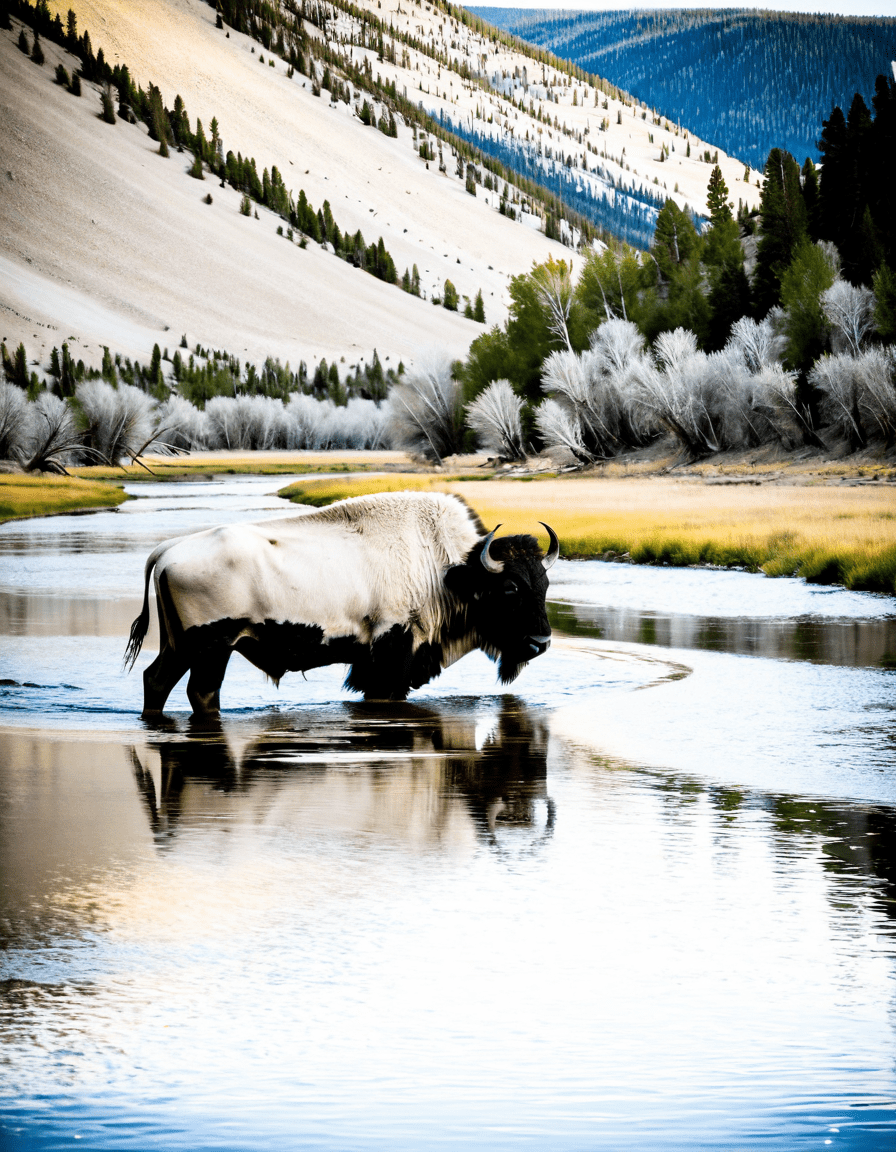
Top 5 Fascinating White Buffalo Sightings in History
Below are five remarkable instances of white buffalo sightings that captivated many and contributed to the lore surrounding these creatures.
In a watershed moment on a South Dakota Lakota reservation, a white buffalo calf was born, igniting a spiritual renaissance among the tribes. This event led to a surge in cultural awareness, symbolizing a fresh start and a new way of life for the community.
The story of White Buffalo Woman is deeply embedded in Lakota spirituality. She came bearing a sacred pipe, teaching the Lakota about respect for Earth, each other, and the spirit world. This tale emphasizes the animal’s importance, connecting generations in prayer and ritual.
In Texas, the birth of Big Mama, a pure white buffalo, attracted national attention, bringing with it a resurgence of interest in the white buffalo symbolism. This event showcased the enduring legacy of the white buffalo and how it continues to inspire and uplift Indigenous communities.
A video capturing a rare sighting of a pure white buffalo amongst a herd in Wyoming stirred excitement and intrigue. The footage circulated widely on social media, reinforcing the belief that each sighting can hold deeper meanings and connections to the spirit world.
The arrival of Lightning Medicine Cloud in Texas, a white buffalo calf auctioned later for an astonishing $100,000, highlighted the cultural relevance and economic implications tied to these rare animals. This occurrence sparked dialogue around the commercialization of sacred symbols and how profit motives can clash with spiritual beliefs.
The White Buffalo as a Cultural Icon
Beyond its spiritual relevance, the white buffalo has emerged as a prominent cultural icon, permeating art, literature, and even fashion. Native American artists have created stunning pieces depicting the white buffalo, shedding light on its multifaceted symbolism. Renowned artists like Kevin Red Star offer breathtaking portrayals, reminding viewers of Indigenous traditions and contemporary cultural expressions.
Fashion lines often incorporate white buffalo motifs, allowing consumers to connect with and celebrate Native culture. The animal has become emblematic of Indigenous identity and resilience, reminding the public of the ongoing challenges faced by Native communities. Each creation channels the sacred significance of the white buffalo while pushing for visibility and advocacy for Indigenous rights and environmental causes.
Moreover, the white buffalo transcends art, inspiring literature that delves into themes of connection, healing, and unity within communities. Its representation fosters dialogue on critical issues, making it a powerful tool for raising awareness around environmental stewardship and social justice within Indigenous contexts.
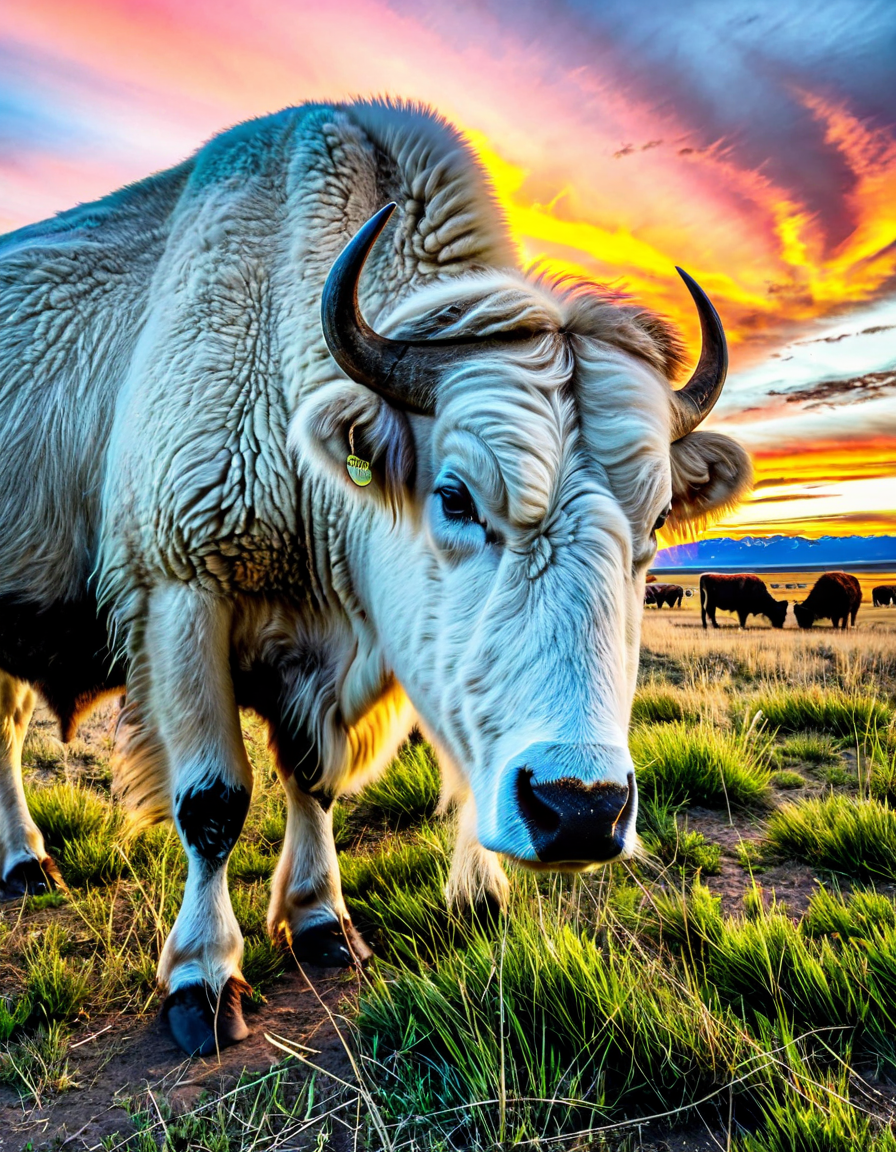
The Environmental Impact of White Buffalo: Conservation and Reintroduction
Efforts to conserve and reintroduce buffalo populations across North America are not just about ecology; they intertwine with cultural practices and spiritual beliefs. Organizations like the InterTribal Buffalo Council are working tirelessly to restore buffalo herds to tribal lands. This initiative aims to promote biodiversity while reinforcing the spiritual significance of the white buffalo in Indigenous cultures.
Scientific studies demonstrate that buffalo populations have a positive impact on land management practices, enriching the soil and promoting biodiversity. The white buffalo’s beautiful rarity serves as a reminder of the responsibility Indigenous communities have to nurture their environments. Restoring buffalo herds also heals the connection between tribes and their ancestral lands, reviving traditions that honor the land and its resources.
While the physical presence of buffalo is crucial for ecosystem balance, its cultural implications run deep. The stories and teachings surrounding the white buffalo often inspire conservation efforts that blend traditional knowledge with modern ecological practices. The reintroduction of buffalo symbolizes more than just a restoration of wildlife; it illustrates a continued commitment to the environment and Indigenous heritage.
Contemporary Challenges Surrounding White Buffalo Beliefs
As society progresses, the interpretation and representation of the white buffalo face numerous challenges. Modern commercialization threatens the deep-rooted symbolic meanings of these sacred animals. Documentaries, such as “The Last White Buffalo,” aim to present an authentic portrayal of Indigenous beliefs while addressing the conflict between traditional perspectives and commercial interests.
With the white buffalo captivating public attention, the potential for misrepresentation looms large. Commercial entities sometimes leverage its image for profit, detracting from its spirituality and significance to Indigenous peoples. This commodification raises ethical questions about cultural appropriation and respect for sacred symbols and their original meanings.
Furthermore, the digital age presents both opportunities and challenges. While social media can amplify Indigenous voices and their narratives surrounding the white buffalo, it can also dilute their meanings in online spaces. As discussions evolve, the need for awareness and consciousness around cultural sensitivity grows crucial to maintain the integrity of these significant stories.
Reverberations of the White Buffalo’s Legacy
The ongoing narrative surrounding the white buffalo is more than a tale of a distinct creature; it embodies a rich tapestry of spirituality, culture, and environmental stewardship. As more individuals acknowledge the significance of this sacred being, they forge deeper connections with Indigenous identities and foster respect for all living beings.
Conversations about the white buffalo highlight not only the necessity for cultural preservation but also the need for broader discussions about reconciliation among diverse communities. Recognizing the profound implications of the white buffalo encourages a more holistic approach to understanding Indigenous issues and promoting sustainability amid rapid societal changes.
In this section of the human experience, the white buffalo emerges as a symbol of hope, driving momentum towards a future rooted in respect, healing, and unity. The legacy of the white buffalo challenges us to look beyond our immediate worlds and engage with the broader narratives that shape the lands we inhabit. It implores us to honor not just the animal itself, but the entire network of life it represents—reminding us that each living being contributes intrinsically to the delicate balance of our world.
In conclusion, the white buffalo stands as a powerful reminder of the resilience and richness of Indigenous cultures. It invites us to delve deeper into their stories, traditions, and struggles, ultimately inspiring a collective effort toward greater understanding and harmony. As we glow in the spirit of unity, let us keep the conversation alive, ensuring that the stories of the white buffalo continue to echo through time.
White Buffalo: Mysteries and Their Cultural Significance
The Enigmatic Nature of White Buffalo
The white buffalo, often wrapped in mystique, holds a significant place in Native American culture. Many tribes consider the white buffalo a sacred symbol that represents transformation and hope. Intriguingly, the birth of a white buffalo calf is often seen as a prophetic event, heralding a time of peace and unity among communities. Weirdly enough, these rare animals aren’t just a thing of folklore; they’ve made headlines numerous times, like the story of Buffalo Woman, who played a pivotal role in the Lakota spiritual narrative. Speaking of intriguing phenomena, you might want to check out the latest venture into the natural wonders at Shark Valley and how it showcases unique ecosystems.
Rare Sightings and Their Significance
Did you know that the birth of a white buffalo is estimated to occur once in every 10 million births? These astonishing odds enhance their value in cultural ceremonies, with them often being celebrated in special rituals. Each sighting can spark excitement among tribes, much like the thrill of catching a game-winning shot in Wku basketball. White buffalo are not just a curiosity; they remind us of the importance of conservation and the value of these creatures in storytelling. And speaking of stories, Alfred hitchcocks films have captivated audiences for decades, much like the spiritual narratives shared among Native American communities about white buffalo.
Modern Mariachi: Keeping the Legends Alive
Today, white buffalo continue to inspire art, music, and even contemporary sports culture. For instance, the resurgence of interest in cultural symbols can be likened to the hype surrounding the Big East tournament, which brings communities together through the love of basketball. Events celebrating the white buffalo also honor indigenous heritage and often create a sense of unity through shared history. It’s a bit like how the world of My Little Pony twilight sparkle fosters friendship and creativity among kids and adults alike. So, whether it’s in festivals or pop culture, the legacy of the white buffalo persists, symbolizing hope and a call to keep traditions alive.
As we ponder the mysteries surrounding this sacred creature, we can’t help but embrace the diversity of narratives that shape our understanding of these majestic beings. In a world filled with complexities, celebrating the white buffalo can remind us of the values of respect, unity, and hope.