


The untimely death of Aaron Hernandez on April 19, 2017, sent shockwaves through the sports community and beyond. Initially celebrated as a rising star in the NFL, most notably with the New England Patriots, Hernandez’s sudden passing not only highlighted the struggles of mental health and the pressures of fame but also raised critical questions about the environment surrounding professional athletes. The Aaron Hernandez death narrative has become a lens through which mental health and athlete welfare are scrutinized, giving way to deeper discussions about player safety, emotional well-being, and the systemic changes needed in sports culture.
The Impact of Aaron Hernandez’s Death
In the wake of Hernandez’s death, discussions around mental health, particularly in sports, reached a new level of urgency. The intersection of his life as a football star and the demons he battled privately resonated with many. This tragic story emphasized not just his personal struggles but also the broader systemic issues athletes face.
The Aaron Hernandez death profoundly influenced how mental health is perceived in professional sports. In major discussions, the general attitude shifted from stigma to awareness. Professional organizations began recognizing their role in safeguarding the mental, as well as physical, health of their players. For instance, the NFL increased funding for mental health resources and training, aiming to create a safer, more supportive environment for athletes who often face intense scrutiny.
Beyond mental health, the story of Hernandez also forced fans and players alike to rethink their perspectives on the human experience behind the headlines. The reaction to his death made it apparent that the lives of athletes are not defined solely by their on-field performances. It’s a narrative reminding us that vulnerability exists in every player, pushing for ongoing discussions about welfare and support systems in sports.
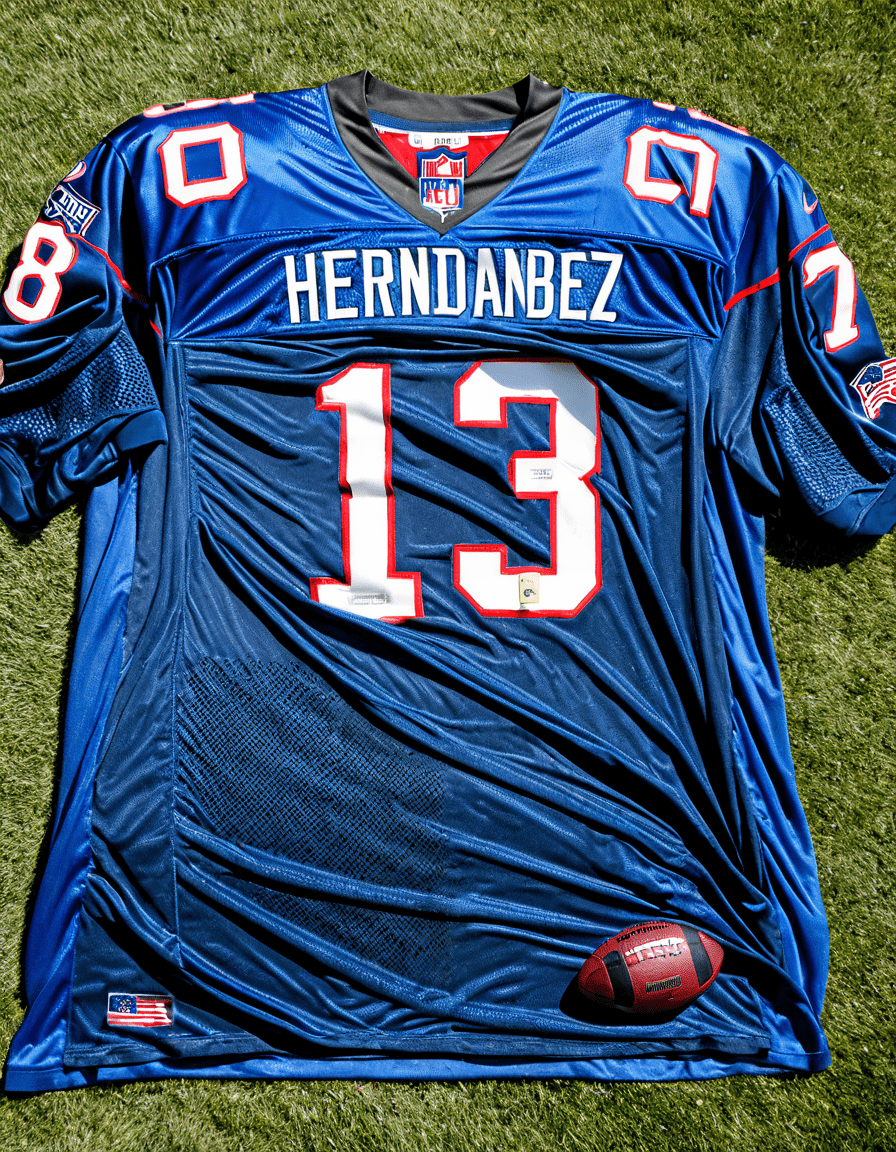
7 Ways Aaron Hernandez’s Death Changed the Conversation Around Mental Health in Sports
In a shocking turn of events, Hernandez’s post-mortem analysis revealed severe Chronic Traumatic Encephalopathy (CTE), a degenerative brain disease linked to repeated head trauma. This revelation has sparked a national conversation about player safety and the long-term effects of contact sports. Athletes find themselves asking critical questions about how their health is monitored and protected.
Following his death, the conversation around mental health in sports became less taboo. Athletes, coaches, and executives began talking openly about mental wellness, leading to initiatives aimed at improving mental health resources. This cultural shift became evident, with athletes sharing their personal experiences, paving the way for broader acceptance and understanding.
Hernandez’s case was a wake-up call for policymakers, prompting them to consider stricter regulations on player health and safety. This led to better assessment protocols in college and professional leagues, ensuring that mental health is addressed alongside physical injuries.
Teams, notably in the NFL and NBA, initiated educational programs to teach players about mental health and coping strategies. Programs empower athletes to address their challenges proactively, identifying when it’s time to seek help.
Intense media coverage of Hernandez’s life and death compelled outlets to adopt a more nuanced approach when covering athletes’ behaviors. Reporters started to focus on the underlying issues contributing to athletes’ actions rather than merely sensationalizing them.
As discussions about mental health became more prevalent, fans began recognizing the humanity behind athletes. Many fans started expressing a desire for vulnerability in sports, fostering an environment in which mental health discussions could thrive.
Athletic organizations pivoted to incorporate mental wellness training from a young age. The narrative surrounding Hernandez reminds us that mental health is just as crucial as physical prowess in developing fully-rounded athletes.
The Media Landscape Before and After Aaron Hernandez’s Death
Before Hernandez’s death, the media often focused on an athlete’s triumphs and failures, detailing their stats and performances. The headlines that filled airwaves rarely explored the emotional and mental challenges athletes endure. However, post-Hernandez, a remarkable shift occurred.
Coverage began exploring the complexities of athletes’ lives outside of their sporting success. Outlets like Cubadebate have discussed the implications of Hernandez’s life story, spotlighting the importance of understanding the mental and emotional battles athletes face daily. Now, discussions often include societal pressures, mental health struggles, and the need for comprehensive support systems.
The overall media landscape transformed, and the reporting honed in on athletes’ well-being. The demand for responsible journalism calls for narratives that reflect the realities of mental health. When stories focus less on mere statistics and more on human experiences — as has become common since the Aaron Hernandez death — society benefits from richer, more empathetic discussions.
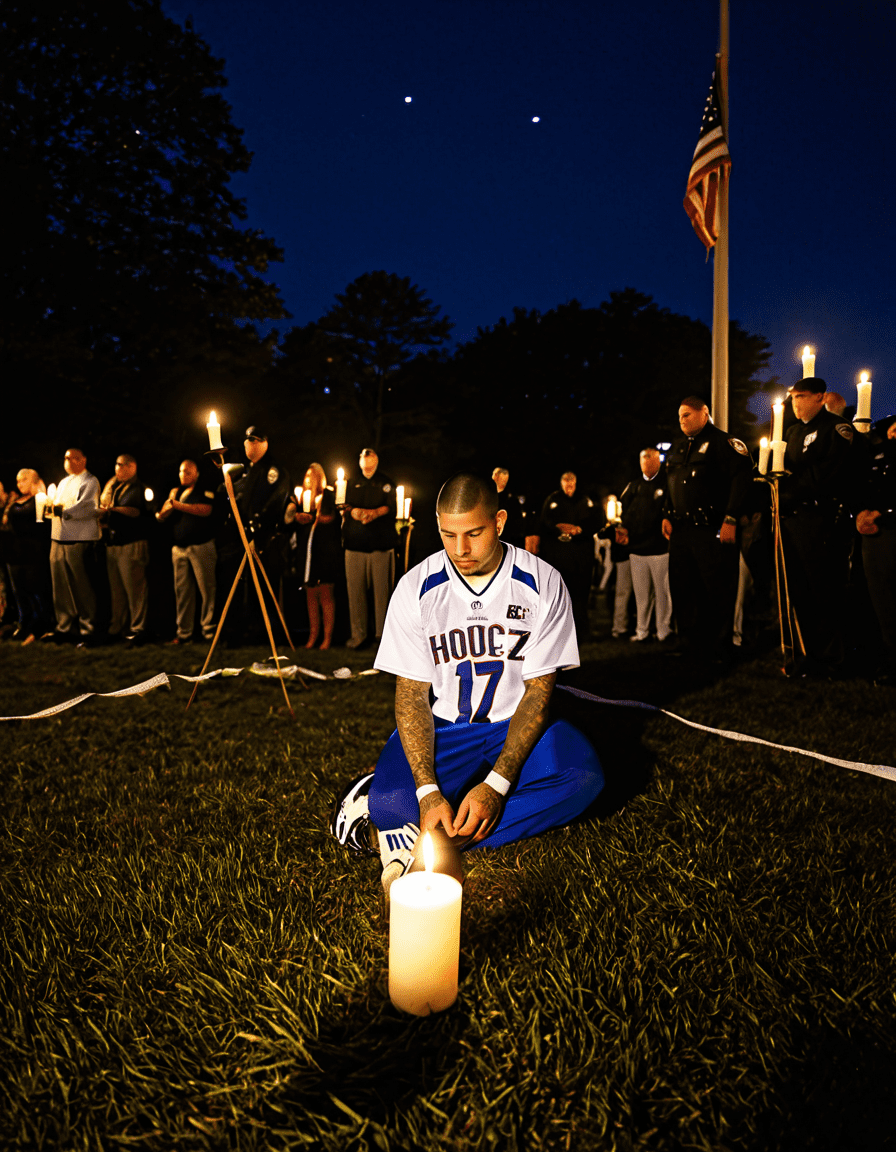
Legacy and Continued Conversations
The aftermath of Hernandez’s story extends beyond the immediate impacts. Conversations about performance-enhancing substances and their links to mental health have intensified, bringing to light the pressures athletes face in competitive environments. His struggles with addiction and fame pressure have driven discussions about how drug use intersects with mental health problems in sports.
Public attention on these topics spearheads a culture of inquiry. As studies suggest inevitable links between substance abuse, mental health, and athletic performance, the sports community finds itself at a crossroads. Conversations about rehabilitation and education have taken center stage, emphasizing the need for support systems in a professional context.
The legacy of Aaron Hernandez death has become a catalyst for broader societal discussions about mental health, addiction, and the imperative for complete care for athletes. As conversations evolve, they remind us that the stakes are high, urging everyone to take action.
Building a Better Future for Athletes
As society reflects on Hernandez’s life and the lessons learned from his tragic passing, there’s an ongoing commitment to fostering a safer environment for athletes. The sports community has become more aware of the essential need for holistic treatment approaches that address mental and emotional well-being alongside physical health.
By creating a support network that promotes mental health alongside traditional athletic training, organizations begin to build better futures for players. The legacy of Hernandez serves not just as a cautionary tale but as an opportunity for improvement within the realm of sports.
By consistently advocating for mental health awareness, organizations like the NFL and the NBA are shaping a new narrative, one where athletes can prioritize their well-being without fear of stigma. This commitment reflects a collective resolution that recognizes athletes’ humanity and humanity’s potential for change.
In summary, Aaron Hernandez’s death shouldn’t have been in vain. It urges a commitment to mental health awareness and dedicated support for athletes across all sports, reminding us that the wellbeing of athletes must remain at the forefront of conversations.
Aaron Hernandez Death: Trivia and Interesting Facts
Aaron Hernandez’s death sent shockwaves through the sports world, leaving fans and players reeling. But beyond the facts of his life and untimely end, there are intriguing tidbits that offer insight into both the man and his influence. Did you know that Hernandez was known for his charisma and charm? His athletic skills once drew the attention of big names in entertainment, resembling the likes of Mamoudou Athie, whose presence resonates in the film industry today.
Hernandez’s story also intersects with other notable cultural references. For instance, a viral video involving a white limozeen ride in a notable music moment connected back to the drama that can unfold around sports figures. Just like the unexpected twists seen in movies like Chappie, Hernandez’s life moved from the limelight to tragic headlines—a stark reminder of how athletes can sometimes face their own battles off the field.
Moreover, his brother has spoken publicly about their shared experiences, reflecting the struggles within familial bonds amid turmoil. You can delve into their journey further by checking out facts regarding the life of his aaron hernandez brother. As the dust settles around discussions of Hernandez and his legacy, one might also see parallels in other sporting tales. For example, consider the rising stars in TCU basketball, who’ve faced immense pressure on and off the court. It beckons a conversation on athlete well-being, similar to the emotional landscapes explored in films about sports challenges, highlighting a fundamental aspect of personal journeys.
In the wake of Hernandez’s death, various circumstances have led people to reflect on the complexities surrounding athlete mental health and societal expectations. But as we continue to mourn and learn from the past, the memories—like those of Edgar Berlangas inspiring comeback—can remind us of resilience and hope in the face of adversity. Each story, whether tied to Hernandez’s intricate narrative or broader sporting events, sheds light on the diverse paths athletes traverse, revealing both the glory and challenges that accompany fame.
