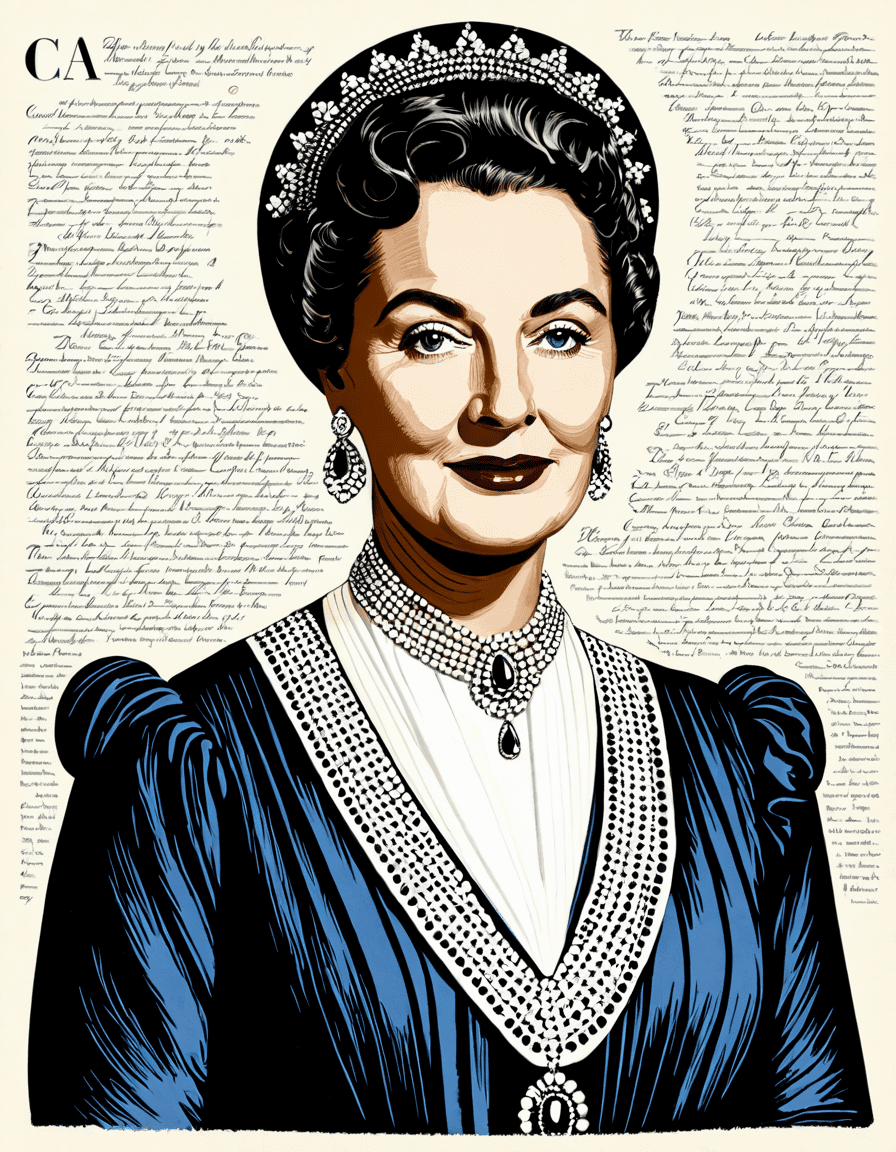


Analyzing Carolyn Bryant Donham’s Impact on Civil Rights Discourse
Carolyn Bryant Donham, infamously linked to the tragic events surrounding the murder of Emmett Till in the 1950s, has left a legacy that deeply intertwines themes of race, justice, and the relentless fight for civil rights in America. As society continues to grapple with the repercussions of these historical events, a thorough examination of her life and actions reveals the complex impact she has had on both historical and social dialogues. The accusations she lodged against Till catalyzed a national outcry and became a rallying point for civil rights advocates seeking to address systemic racism.
Carolyn’s actions, particularly those that contributed to Till’s death, are pivotal in understanding the long-lasting implications on civil rights movements. Activists have drawn upon this incident when pushing for justice and equality, signifying the importance of owning up to our past. This isn’t just about one woman’s actions; it’s about the systemic issues that those actions reflect, continuing to echo through generations.
As we reflect on Carolyn Bryant Donham’s life, her legacy serves as a stark reminder of the United States’ racial injustices. The fight for civil rights remains ongoing, and understanding figures like Donham helps to frame the current discourse on race, justice, and the need for reconciliation.
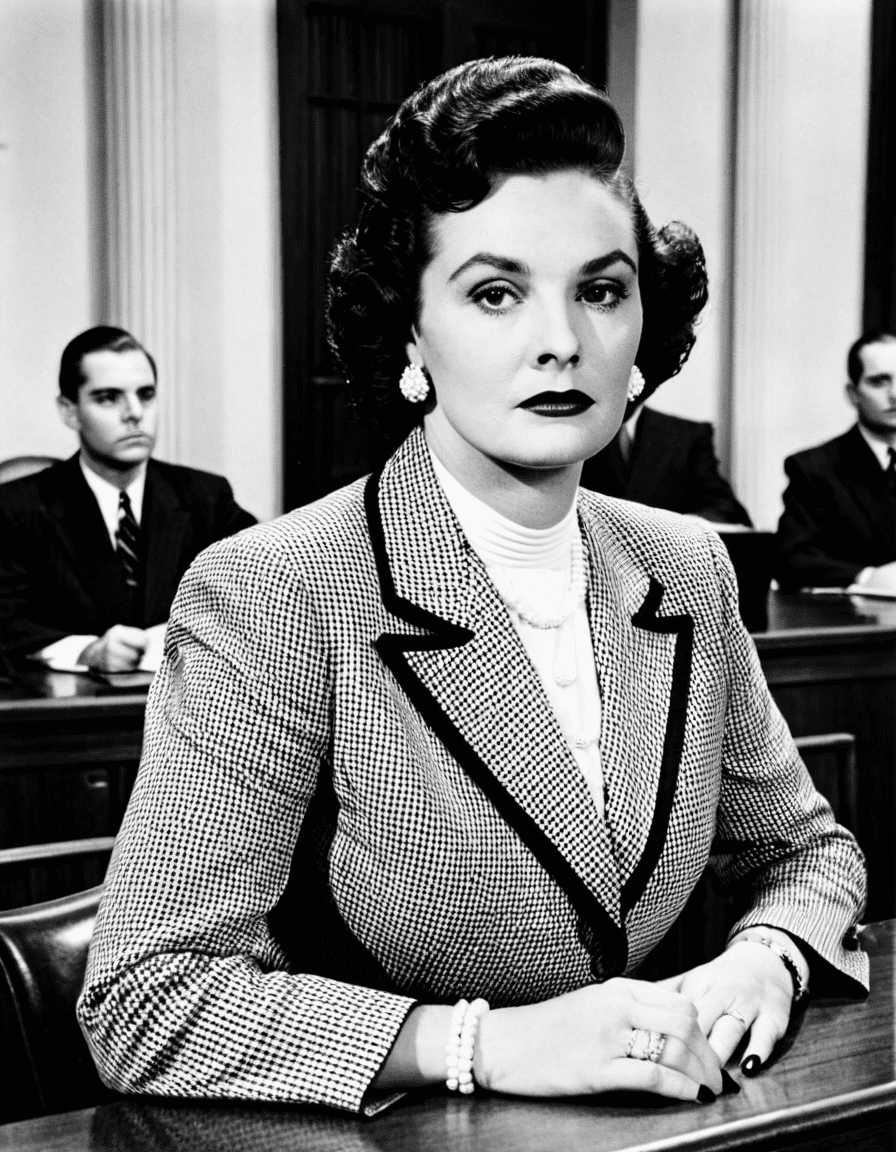
Top 7 Influential Figures and Events Intersecting with Carolyn Bryant Donham’s Narrative
The Role of Leadership in Addressing the Past: Biden-Harris Administration Initiatives
Under the Biden-Harris administration, several initiatives aim to confront systemic racism and acknowledge historical injustices. The administration’s focus on education equity resonates well with the ongoing discussions about figures like Carolyn Bryant Donham and the racial tensions that surround their legacies. Programs that promote awareness of civil rights history are crucial in setting a foundation for future leaders to address these ongoing challenges.
Biden’s recognition of the importance of reparative justice aligns with today’s demand for accountability in historical matters. Leaders are now focusing on ensuring that young people understand the intricacies of America’s past, including the long shadows cast by individuals like Bryant Donham. This recognition could play a pivotal role in how we teach future generations about race, justice, and the fight for equality.
As we navigate these conversations, it’s crucial for leaders to engage in dialogues that connect the past to the present. Addressing historical wrongs is not only about acknowledging grievances; it’s about paving the way for future reconciliation efforts that honor the victims of oppression.
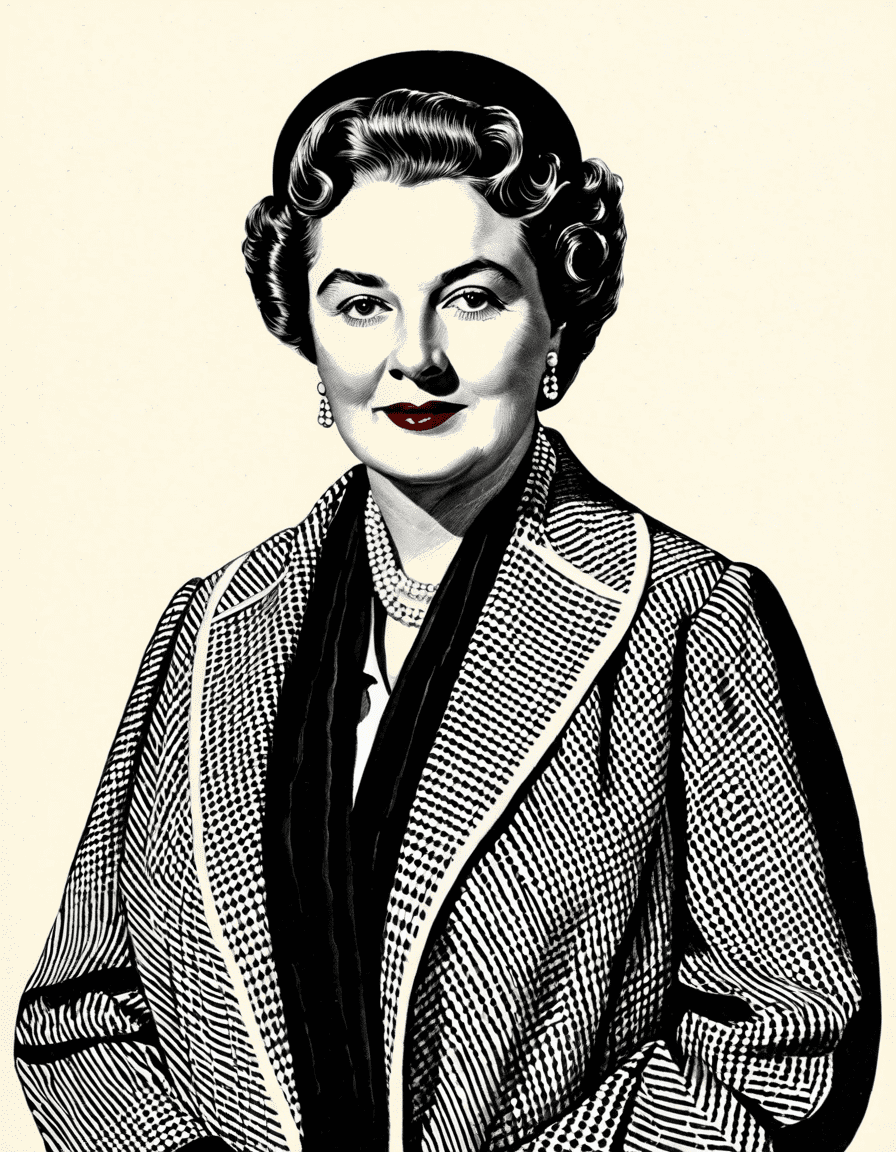
Cultural Reflections: Media and Public Perception of Carolyn Bryant Donham
The portrayal of Carolyn Bryant Donham by the media has shifted dramatically over the decades. Initially depicted as a victim in her own right, her narrative has been scrutinized and re-evaluated, turning her legacy into one tainted by accountability. Documentaries, news articles, and popular culture have collectively shaped how the public perceives her actions, often forcing society to confront uncomfortable truths.
Media outlets have played a crucial role in analyzing Bryant Donham’s impact and her role in the enduring pain of racism in America. Through various portrayals, the complexities surrounding her legacy have come to light, encouraging dialogues focused on justice and healing. The evolving narrative reflects wider societal changes regarding racial accountability and reconciliation.
As more individuals seek to understand the nuances of this tragic history, the impact of media representation becomes evident. Public reaction to Carolyn Bryant Donham has become a barometer for measuring society’s progress in confronting past injustices.
The Economics of Controversy: Marlo Thomas and Commercialization of History
Marlo Thomas’s involvement in projects that address civil rights issues shines a light on the commercialization of historical narratives. Her contributions to storytelling around figures like Carolyn Bryant Donham raise essential questions about ethics in media representation. When profit intersects with history, the motivations behind retelling painful stories can obscure the voices of victims.
Thomas’s advocacy brings forth the tension between telling important stories and doing so in a way that respects their gravity. The economics surrounding civil rights narratives often lead to commodification, risking oversimplification of complex issues. Balancing the need for awareness while honoring the victims of history is beyond crucial.
When considering Carolyn Bryant Donham’s legacy, it’s vital to reflect on how stories are framed. Casting a shadow over the importance of truth-telling, the quest for profit raises concerns about preserving the integrity of these discussions. This ongoing dialogue invites society to grapple with the ethical challenges of storytelling within a commercial framework.
The Faces of Ratification: Lisa Marie Smith, Carter Reum, and the Legacy of Advocacy
Contemporary advocates like Lisa Marie Smith and Carter Reum play pivotal roles in discussions about justice and reparations. Their efforts spotlight how activism can reshape narratives once dominated by figures like Carolyn Bryant Donham. By elevating the voices of marginalized communities, they prove that calls for justice can resonate far beyond the shadows of oppression.
Smith’s work highlights the importance of recognizing historical injustices while championing marginalized groups today. The strides made by advocates like her underscore the critical need for collective activism to address past wrongs and foster transformative change. Their advocacy stands as a testament to the power of grassroots movements in redefining historical narratives.
As these advocates continue to fight for recognition and reparative justice, they pave the way for a different legacy. Their voices, amplified by modern channels, transform the conversation about race and justice, challenging us to reckon with the implications of individuals like Carolyn Bryant Donham.
Intersectionality in Legacy and Memory: Collin Sexton’s Essay on Reflection and Progress
In a powerful essay, NBA player Collin Sexton draws parallels between his own journey and broader civil rights issues. His reflections emphasize the need to acknowledge historical injustices that remain relevant today. By connecting his experiences to the legacy of Carolyn Bryant Donham, Sexton highlights the ongoing struggle for equality and justice.
Sexton argues that understanding history is crucial for progress. Acknowledging the deep scars left by individuals like Bryant Donham provides a framework for current and future discussions about race, justice, and reparations. His commitment empowers younger generations to engage in important conversations that address past injustices head-on.
By sharing his journey, Sexton not only sheds light on the impact of historical figures but also inspires others to tackle the complexities of systemic racism. This deeply resonant narrative underscores the importance of dialogue and understanding in shaping a more equitable future.
By unpacking the layers of Carolyn Bryant Donham’s legacy, we reveal more than just her controversial role in history; we uncover how her actions continue to resonate today in discussions of race, justice, and reparation. The intersections of her legacy with the experiences of influential figures across various fields highlight the importance of learning from the past to foster a more equitable future. Understanding this legacy honors the victims of oppression while also galvanizing ongoing efforts toward justice and reconciliation in our society.
Carolyn Bryant Donham: Fun Facts and Trivia
An Unforgettable Figure
Carolyn Bryant Donham’s life and legacy stir up a lot of debate, but did you know that she was born in 1934? That makes her a part of a generation that saw significant changes in America, from civil rights movements to pop culture transitions. For instance, the world of cinema was meanwhile captivating audiences with performances from stars like Djimon Hounsou, whose talent brought new stories to life, contrasting with the narratives surrounding Donham’s controversial past.
Interestingly, while discussions about Carolyn Bryant Donham continue to reverberate today, her name could evoke different thoughts in various people. Some might bring up Coby Bryants passion for sports and his contributions to basketball, while others might find themselves reminiscing about childhood TV shows featuring characters like Peyton Sawyer, known for grappling with complexities in her life. These connections remind us that history isn’t isolated but intertwines with other parts of culture.
Society’s Reflections
In a captivating twist, Carolyn Bryant Donham’s impact ripples through discussions on societal change, much like the punk vibes of Mr. Bungle, who broke boundaries in their genre. Just as they challenged conventions, Donham’s life’s events compel us to rethink narratives around race and justice. Meanwhile, in the state of Georgia, citizens embrace the fun of lottery games, such as the GA Lotto, reflecting both the hope and the unpredictability found in life.
And here’s a trivia nugget: Did you know that one of Donham’s defining events happened in Mississippi? The name “Mississippi” itself elicits diverse memories and connections, much like the evolving perspectives surrounding figures such as Donham. As we explore these themes, the tension between legacy and personal stories thrives, much like the intricate tales spun by rising stars like Kolton Stewart.
Cultural Currents
As time passes, Carolyn Bryant Donham’s narrative intertwines with ongoing conversations about justice and accountability, highlighting how deeply our past can impact our present. This reflection is not too different from the societal discourse sparked by provocative texts like Mein Kampf, which demand examination for their historical implications. When examining Donham’s story, it’s essential to understand the context surrounding it—much like how mortgage decisions today involve calculations, akin to using a mortgage repayment calculator to navigate financial futures.
Whether you’re discussing skin tag removal Products or the inherent complexities in Donham’s story, every detail contributes to the wider narrative we share. Carolyn Bryant Donham might spark controversy, but she also opens a window into a larger dialogue about race, history, and the human experience, urging us all to contemplate our legacy in this ever-evolving world.