


The Legacy of Al Smith: A Contemporary Perspective
Al Smith, the first Catholic nominee for the presidency from a major party in 1928, is a name that echoes through American history. His journey, fueled by determination and a deep connection to his urban roots, set a precedent that reshaped political dynamics for future generations. Smith’s time in office not only marked a significant ethnic milestone but also highlighted critical socio-economic issues. As we look back from 2026, his impact remains relevant, reminding modern leaders of the necessity for empathy and engagement across diverse communities.
Al Smith’s legacy is not merely about his Catholic faith but about his influential leadership style and his ability to champion the needs of the working class. His policies resonate today, offering lessons in advocacy and inclusion that political figures still strive to implement. By confronting the challenges of his time, he paved the way for subsequent leaders, such as Franklin D. Roosevelt and Barack Obama, who embraced similar progressive ideals. Indeed, Smith’s story reflects the ongoing quest for equity and representation in American governance, making his contributions timeless in the narrative of American politics.
The lessons from Al Smith’s experiences serve as a guiding light for contemporary political discourse. Just as the captivating performances of entertainers like Len Goodman remind us of the power of charisma, Smith’s ability to engage voters through relatable narratives illustrates the impact of authenticity in leadership. His approach remains a model for politicians today, emphasizing the importance of connecting with constituents on both emotional and practical levels.
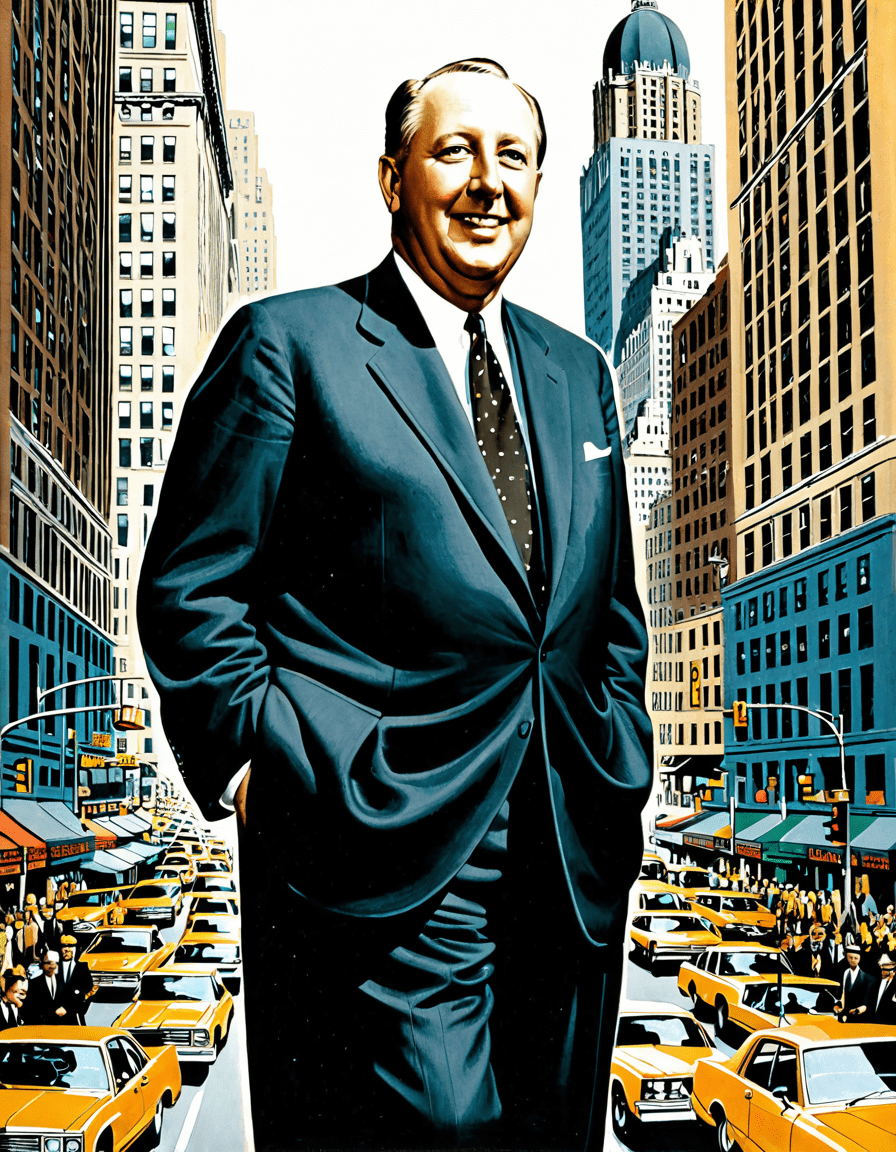
Top 5 Ways Al Smith Transformed American Politics
Coming from humble beginnings as the son of immigrants, Al Smith connected profoundly with the urban working class. His policies emphasized labor rights, advocating for better working conditions and wages during a time of unchecked industrial growth. By prioritizing the needs of workers, he set a foundation that influenced future Democratic leaders, like Franklin D. Roosevelt, who built upon his vision.
Smith’s staunch opposition to Prohibition was revolutionary back in the 1920s. He was among the first politicians to openly discuss the negative fallout of the ban. By highlighting its connection to organized crime and corruption, Smith shifted public opinion, aiding the eventual repeal in 1933. This clear policy change marked a transition toward viewing public health concerns through a legislative lens rather than moral judgments.
Al Smith’s candidacy represented a turning point for Catholic voters in America, who had often felt sidelined in the political arena. Before Smith, many Catholics were viewed suspiciously, but his campaign demonstrated the strength of religious plurality in the U.S. His success was later echoed by leaders like John F. Kennedy, who embraced their faith unapologetically on the national stage.
Smith’s commitment to social welfare was a precursor to many of the New Deal policies enacted by Roosevelt. By advocating for healthcare, education, and housing initiatives, he reinforced the idea that government should actively support the welfare of its citizens. This push for progressive reforms set a tone that continues to influence modern Democratic policies today, as seen in the efforts of politicians like Barack Obama.
Much like Len Goodman captivated television audiences with his charm and energy, Al Smith had a dynamic presence capable of engaging large crowds with compelling speeches. His storytelling ability made politics relatable and humanized, allowing constituents to see their struggles reflected in his narrative. Today’s leaders, including Kamala Harris and Pete Buttigieg, draw inspiration from this charismatic leadership model, creating engaging platforms that resonate with voters.
The Smith Doctrine: Lessons for Today’s Political Landscape
The principles that guided Al Smith in the 1920s are still relevant for today’s leaders facing modern challenges. His emphasis on empathy, connection, and social justice acts as a guiding framework for current political discourse. In an era marked by polarization, Smith’s example highlights the importance of authenticity in public service—proof that meaningful connections can galvanize support.
Moreover, Smith’s advocacy for economic equity resonates in discussions around income disparity and systemic inequality, particularly in urban settings. As America grapples with changing demographics and economic pressures, the ideas that guided Smith reveal the ongoing need for leaders who resonate with the concerns of diverse communities. Modern politicians can learn much from his approach by recognizing the interconnectedness of local and national issues.
In summary, Al Smith’s legacy transcends his era, illustrating the challenges and opportunities that define American politics. His vision for inclusivity and equity continues to be a guiding principle for today’s leaders. In navigating the turbulent waters of a politically divided nation, Smith’s legacy reminds us of the power of compassion and understanding in achieving a more equitable future.
By remaining aware of the lessons Smith imparted, aspiring leaders can forge paths that unite rather than divide—ultimately steering the political ship in a direction that benefits all. As we stand at the crossroads of the 21st century, reflecting on the transformational impact of Al Smith is not only relevant but essential for fostering a political landscape conducive to progress and collaboration.
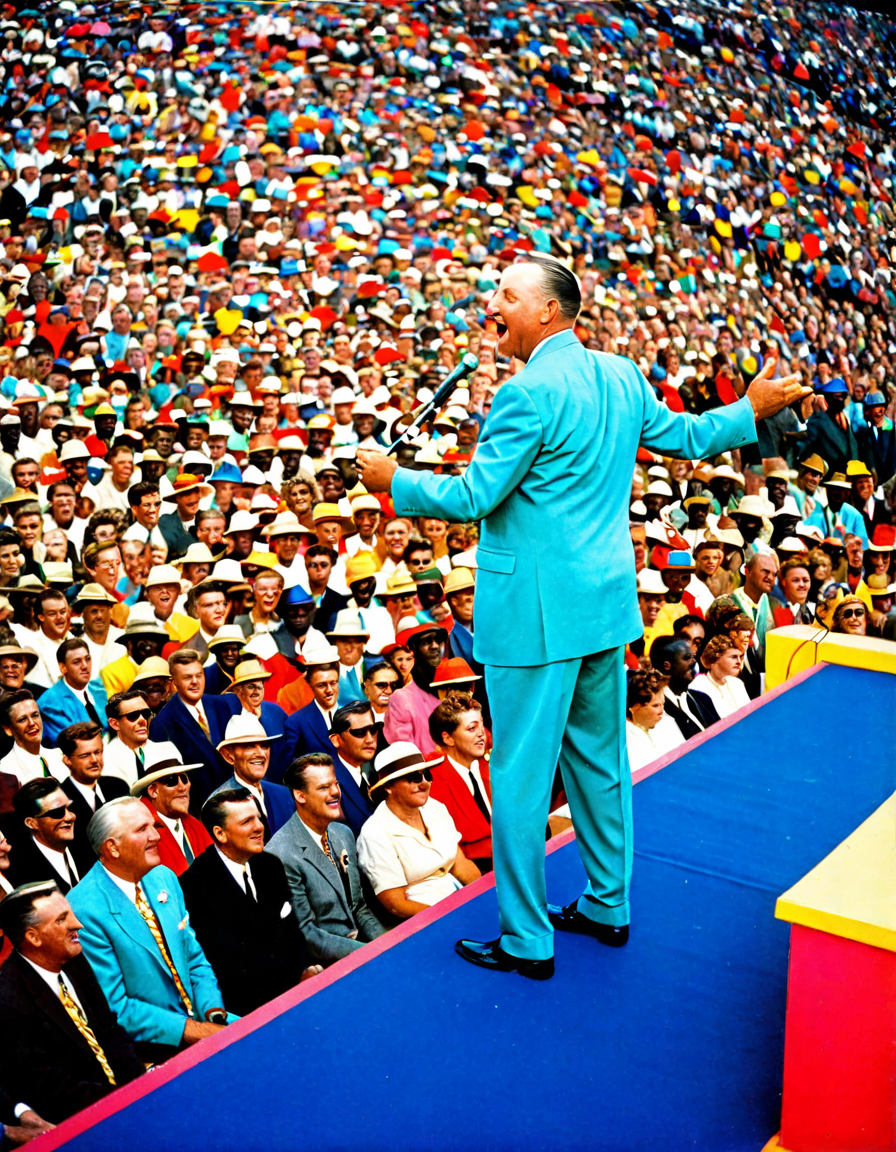
Al Smith: The Dynamic Leader Who Changed Politics Forever
A Trailblazing Legacy
Al Smith wasn’t just a political figure; he was a pioneer, the first Catholic to win a major party nomination for President in 1928. This was a significant milestone, considering the intense anti-Catholic sentiment prevalent at the time. Smith’s candidacy marked a turning point in American politics, much like Doja Cat’s unexpected rise in the music industry, which shocked many traditionalists, making them rethink their views on artistry and representation. His ability to connect with everyday people through his “common man” image set a precedent that future candidates would strive to emulate.
Unconventional Tactics
Smith understood the power of media well before it became a staple in political campaigns. He effectively utilized radio, reaching audiences with his charm and wit. This approach pivotal for politicians today illustrates how forward-thinking and adaptable leaders can reshape their narrative. Similar to how today’s artists, like Elena, have carved out unique spaces for themselves online, Smith found his voice amid changing times. His informal and relatable style resonated greatly, laying the groundwork for modern relationship-focused campaigning.
Lasting Impact
Even after his political career, Al Smith’s influence lingered. His commitment to social issues, especially during the Prohibition era, showed that politics could be about more than just power—it could be about making a difference. Just as sports fans dissect the stats of epic matches, like the Borussia Dortmund Vs Real madrid Stats, to understand team dynamics, Smith’s approaches have been analyzed to extract lessons on leadership. His focus on addressing urban problems also highlighted the importance of adaptability, akin to how Julianne Hough dives into diverse roles across movies and TV shows, blending various styles and storytelling techniques that resonate with audiences. Al Smith’s journey, though unique, remains instructive for leaders and citizens alike.